The landscape of public health has been fundamentally altered by the rise of opioid use disorder, a condition that affects millions of individuals across the United States. From the quiet suburbs of Orange County to the busiest metropolitan centers, opioid addiction has become an pervasive challenge that requires a sophisticated, multi-layered clinical response. Opioids, a class of drugs that includes prescription painkillers like oxycodone and hydrocodone, as well as illicit substances like heroin and the increasingly prevalent synthetic opioid, fentanyl, interact with the brain’s reward system in a way that creates a profound physical and psychological dependency. Overcoming this cycle is not a matter of simple willpower; it is a clinical process that involves resetting the body’s chemistry and rebuilding the mind’s resilience.
What Is Opioid Addiction?

To understand opioid addiction, one must first understand how these substances interact with the human nervous system. Opioids attach to specific receptors in the brain, spinal cord, and other organs. When these receptors are activated, they block pain signals and release large amounts of dopamine, creating a temporary state of euphoria. Over time, the brain becomes accustomed to this external source of dopamine and stops producing its own naturally. This lead to a state where the individual no longer feels “normal” or functional without the substance.
Opioid use disorder (OUD) is characterized by a powerful, often uncontrollable urge to use the drug, even when it causes significant harm to one’s health, career, and relationships. It is a chronic, relapsing brain disease that national health authorities, such as the Substance Abuse and Mental Health Services Administration (SAMHSA), categorize as a treatable medical condition. Recognizing that opioid addiction is a physiological hijacking of the brain—rather than a moral failing—is the first step toward a successful recovery journey.
The Physical Reality of Opioid Withdrawal
For individuals physically dependent on opioids, the prospect of stopping use is often overshadowed by the fear of withdrawal. When the substance is removed, the body enters a state of acute distress as it attempts to recalibrate. Opioid withdrawal symptoms are notoriously intense and can include severe anxiety, agitation, muscle aches, insomnia, sweating, nausea, vomiting, and tremors. While these symptoms are rarely life-threatening on their own, the physiological and psychological strain they place on an individual often leads to immediate relapse if not managed within a professional clinical setting.
This is why medical detox is recognized as a critical safety step. Attempting to quit “cold turkey” without supervision is not only incredibly painful but statistically less likely to lead to long-term sobriety. In a supervised environment, medical professionals can monitor vital signs and utilize evidence-based medications to stabilize the nervous system, ensuring that the individual is physically prepared to engage in the deeper work of residential therapy.
The Nu Dai Wellness Approach to Opioid Addiction Recovery in Mission Viejo
Effective opioid addiction recovery requires more than just clearing the substance from the body; it requires consistency, accountability, and coordinated clinical care. At Nu Dai Wellness in Mission Viejo, CA, we have developed a boutique recovery model that prioritizes individualized attention and measurable progress over the institutional, “one-size-fits-all” approach of larger facilities. We understand that the high-pressure environment of Orange County demands a recovery experience that is private, focused, and deeply personal.
Our addiction treatment is delivered in a small residential setting intentionally designed to remain intimate and community-driven. This allows our clinical team to provide a level of meaningful therapeutic engagement and accountability that larger facilities often cannot replicate. We serve clients across Mission Viejo, Irvine, Newport Beach, and the surrounding areas who are seeking a sanctuary to interrupt the cycle of opioid addiction and rebuild a life of clarity.
Medical Detox and Stabilization in Orange County
The journey at Nu Dai Wellness begins with a focus on safety. Medical detox in Mission Viejo is a supervised process that allows individuals to safely withdraw from opioids while managing withdrawal symptoms in a controlled environment. Detox is the first step, but it is not the full course of care; its primary purpose is to prepare the body for active participation in treatment.
At Nu Dai Wellness, detox coordination prioritizes stabilization. Our medical team, led by Medical Director Dr. Alejandro Alva, conducts a thorough clinical assessment to determine the specific needs of each individual. Whether you are struggling with prescription medication misuse or the complexities of fentanyl, our focused, small-scale environment allows for clear communication and continuity of care. Because we operate within a focused residential model, detox planning is coordinated deliberately. Stabilization and residential treatment planning are aligned from the start to reduce treatment gaps and maintain early recovery momentum. This coordinated transition ensures that as soon as a client is stabilized, they move directly into the structured therapy and accountability of our residential program.
Residential Addiction Treatment: Immersive and Intentional
Once the physical crisis of withdrawal has been managed, the real work of recovery begins. Residential addiction treatment in Orange County provides a focused, live-in environment where individuals can step away from daily triggers and focus fully on their growth. At Nu Dai Wellness, residential care is not about passing time; it is about rebuilding direction.
Our program is purposefully scaled for individualized engagement. We operate with a limited capacity to ensure that every client receives personal attention from our clinicians. In this community-based model, the environment itself becomes a part of the therapy. Clients are not passive participants in an impersonal system; they are active members of a recovery community where accountability is reinforced daily and progress is visible. This immersive setting is appropriate for individuals who need a stable, trigger-reduced environment to interrupt substance use patterns and rebuild internal regulation without the external pressures of work or social obligations.
Clinical Depth and Evidence-Based Modalities
The Nu Dai approach is rooted in clinical depth. Clients at our Mission Viejo facility engage in a structured schedule of evidence-based therapies designed to address the behavioral and emotional drivers of opioid addiction. These include:
- Cognitive Behavioral Therapy (CBT): To identify and restructure the thought patterns that lead to substance use.
- Dialectical Behavior Therapy (DBT): To build distress tolerance and emotional regulation skills.
- Motivational Enhancement Therapy (MET): To strengthen internal resolve and commitment to the recovery process.
- Trauma-Informed Care: To address the underlying experiences that often fuel addiction.
- Psychodynamic Therapy: To explore the deeper psychological roots of behavioral patterns.
Treatment plans are individualized and reviewed consistently to ensure that the clinical approach evolves in real time based on the client’s measurable progress. By integrating these sophisticated therapies, we help our clients identify their triggers and develop the skill sets necessary to manage stress without returning to opioid use.
Medication-Assisted Treatment (MAT) as a Tool for Stability
When clinically appropriate, Medication-Assisted Treatment (MAT) may be incorporated into an individualized treatment plan for opioid use disorder. MAT combines FDA-approved medications with structured clinical therapy to support recovery. At Nu Dai Wellness, we utilize MAT thoughtfully to help reduce cravings, stabilize withdrawal symptoms, and lower the risk of relapse.
It is important to note that at Nu Dai, medication is never used as a standalone solution. It is integrated as part of a comprehensive recovery plan that includes intensive therapy and behavioral change. Decisions regarding medication are made carefully, based on medical assessment and long-term recovery goals. This balanced approach ensures that the client is supported biologically while they do the hard work of psychological and emotional reconstruction.
Physical Regulation: Cold Plunge and Sauna Therapy
Opioid addiction significantly disrupts the body’s stress response and nervous system. To address this, Nu Dai Wellness incorporates intentional physical practices designed to reinforce physiological balance. These are not merely amenities; they are regulation tools used to build emotional resilience.
Our facility utilizes cold plunge therapy and sauna therapy to help clients practice nervous system stabilization. These modalities encourage the body to manage intense physical sensations and return to a state of calm, providing a physical metaphor for the emotional work done in therapy. By learning to regulate their physiological response to the cold or heat, clients develop a greater capacity to handle the “heat” of real-world stress without turning to substances.
Family Involvement and Real-World Reintegration
Opioid addiction rarely affects only the individual; it impacts the entire family system. At Nu Dai Wellness, we believe that strengthening the family unit is essential for sustainable recovery. When appropriate, we integrate a structured family program that includes education on addiction dynamics, guidance on communication and boundaries, and individualized family therapy sessions.
Furthermore, our goal is not isolation, but preparedness. Residential clients participate in community-based outings designed to strengthen adaptability and confidence in real-world environments. This ensures that the tools learned in the safety of our Mission Viejo facility function effectively once the client returns to their daily life in the Orange County community.
Serving the Orange County Community

Nu Dai Wellness is proud to provide premier addiction treatment in Mission Viejo, serving individuals throughout the diverse communities of Orange County. We offer a private, boutique alternative to large institutional rehabs for residents of:
- Irvine
- Laguna Niguel
- Newport Beach
- San Clemente
- Aliso Viejo
- Lake Forest
- Dana Point
- Rancho Santa Margarita
If substance use is interfering with your clarity, your performance, or your daily functioning, our structured residential program provides the stabilization needed to rebuild control. Our admissions team is available to help you determine if our community-based approach is the right fit for you or your loved one.
Frequently Asked Questions
What makes Nu Dai Wellness different from larger rehab centers? Our boutique residential model allows for a level of individualized attention and clinical engagement that large centers often cannot provide. By keeping our capacity small, we ensure that every client is seen and heard, allowing for a more intimate community where accountability is high and therapeutic trust is built quickly.
How long does opioid addiction treatment typically last? The duration of treatment varies based on the individual’s progress and clinical needs. Most residential stays range from 30 to 90 days. We review progress regularly to ensure that the client is meeting their measurable goals before transitioning to a lower level of care.
Does Nu Dai Wellness treat co-occurring disorders? Yes. We recognize that opioid addiction often co-occurs with mental health conditions such as anxiety, depression, or PTSD. Our integrated treatment planning addresses both the substance use and the mental health challenges simultaneously to ensure a comprehensive recovery.
Does insurance cover opioid addiction treatment at Nu Dai Wellness? Most major insurance providers cover addiction treatment and medical detox as part of their behavioral health benefits. Our admissions team can provide a complimentary verification of your insurance to help you understand your specific coverage.
What is the role of the Medical Director in the program? Our programs are medically reviewed and led by Dr. Alejandro Alva. His expertise ensures that our medical detox and stabilization protocols are evidence-based and prioritize the safety and health of every client.
Is detox the same as rehab? No. Detox is the first stage of recovery focused on physical stabilization and withdrawal management. Residential treatment, or “rehab,” is where the therapeutic work occurs to address the behaviors, traumas, and triggers that lead to addiction in the first place.
Can I visit a loved one while they are in the residential program? We value family involvement and coordinate visits and family therapy sessions as part of the overall treatment plan. Our goal is to rebuild healthy family dynamics that support long-term sobriety.
If you or a loved one are ready to take the first step toward overcoming opioid addiction, contact Nu Dai Wellness today for a confidential assessment. Our Mission Viejo team is dedicated to providing the clinical depth and personal attention needed for a life of lasting recovery.
Medically Reviewed by Marco Ramirez, LVN.
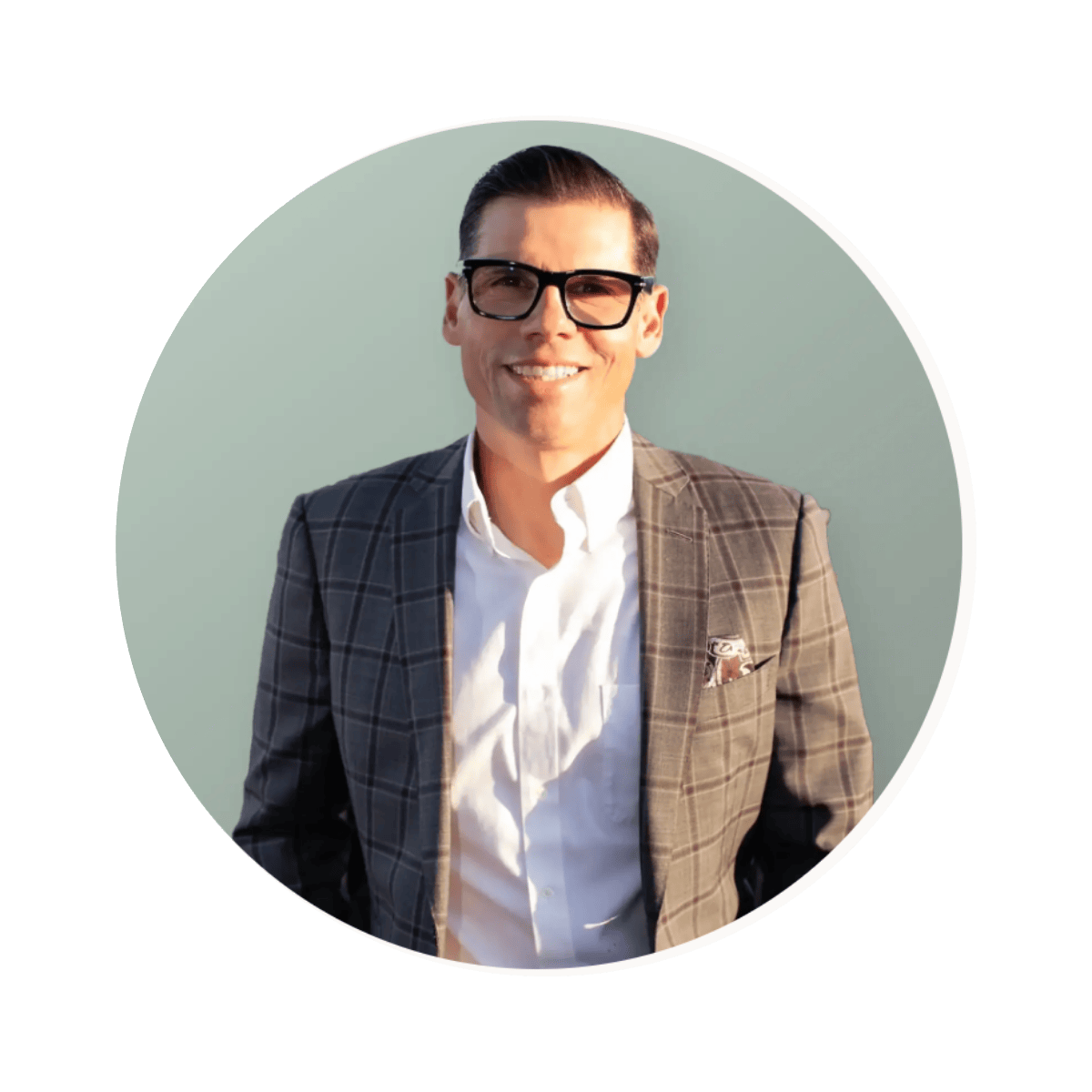
Marco Ramirez serves as the Program Director and Nurse at Nu Dai Wellness, bringing nearly two decades of diverse experience in the substance abuse and mental health fields. Marco has held every role from frontline support staff to Executive Director, providing him with a profound, 360-degree understanding of the recovery journey. His clinical approach integrates a strong medical foundation with a personal journey in recovery, allowing him to deliver ethical, evidence-based, and holistic care that honors the mind, body, and spirit. Under his leadership, Nu Dai Wellness provides a compassionate and clinical sanctuary designed to help individuals move beyond addiction and into a life of lasting hope.