In the vibrant, fast-paced culture of Orange County, the line between “social drinking” and a burgeoning addiction can often become blurred. Whether it’s a sunset cocktail in Laguna Beach, a high-stakes networking event in Irvine, or a celebratory dinner in Newport Beach, alcohol is frequently woven into the social fabric of our community. However, for many, what starts as a way to unwind eventually evolves into a physical and psychological dependency that threatens every aspect of their lives. At Nu Dai Wellness in Mission Viejo, we believe that awareness is the first step toward sovereignty. Alcohol addiction, or Alcohol Use Disorder (AUD), rarely appears overnight. It is a progressive condition that often signals its presence through subtle shifts in behavior, health, and priorities. Recognizing these warning signs early can be the difference between a minor course correction and a life-altering crisis.
Understanding the spectrum of Alcohol Use Disorder is essential because addiction is not a “yes or no” condition; it exists on a continuum ranging from mild to severe. Because of the high-achieving nature of the Orange County workforce, many individuals fall into the category of “high-functioning.” These are people who maintain their careers, families, and social standing while struggling with a deep-seated dependency in private. By identifying the biological and behavioral markers of addiction, you can move past the denial and toward the clinical support you deserve. Here are the 10 critical warning signs that it may be time to seek professional guidance at our Mission Viejo sanctuary.
1. Increased Tolerance and Escalating Consumption
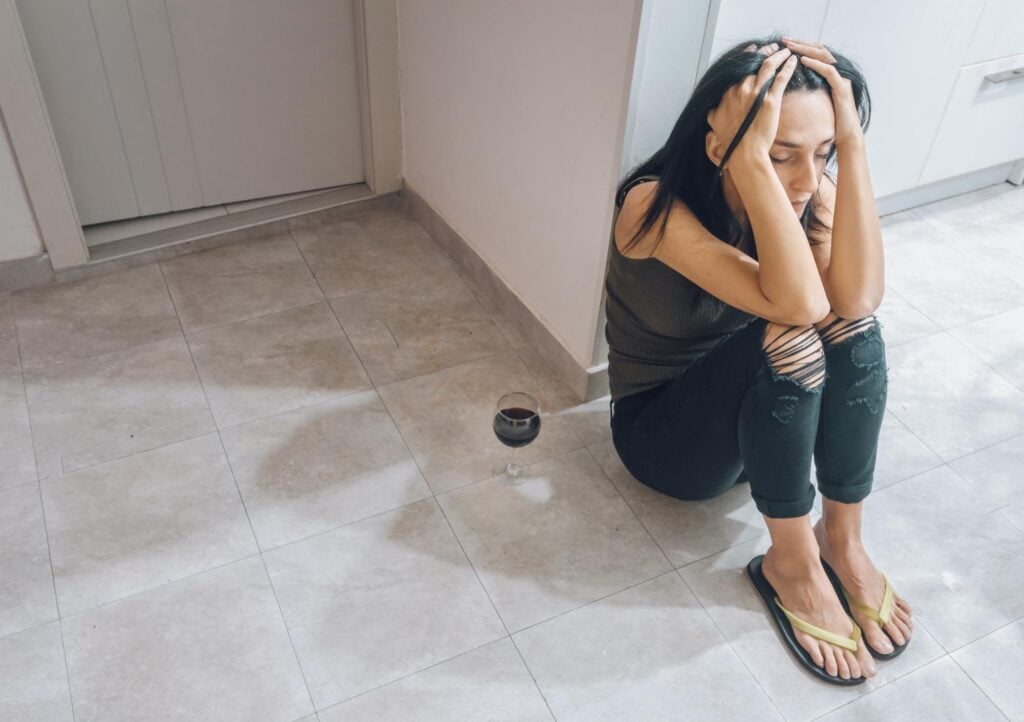
One of the earliest biological signs of addiction is the need to drink significantly more to achieve the same “buzz” or level of relaxation you once felt with a single glass. This is a process called neuroadaptation. Your brain chemistry is remarkably adaptive, but chronic alcohol use forces it to rewire its baseline to accommodate the sedative effects of the substance. If you find that two or three drinks no longer provide the relief they once did, your body is building a tolerance. This often leads to a dangerous escalation in consumption as you chase the original feeling of ease, further entrenching the cycle of dependency.
2. Failed Attempts to Quit or Cut Back
Many people who are beginning to struggle with alcohol addiction attempt to implement “rules” to manage their drinking. You might decide to only drink on weekends, to never drink before 5:00 PM, or to limit yourself to two glasses of wine at dinner. However, a hallmark clinical sign of Alcohol Use Disorder is a persistent, unsuccessful desire to cut down or control alcohol use. If you find yourself consistently breaking these self-imposed rules or making “deals” with yourself that you cannot keep, it indicates a loss of control over the substance. This loss of autonomy is a clear signal that the addiction has taken root in the brain’s reward system.
3. Neglecting Responsibilities in Favor of Alcohol
In the competitive environment of Orange County, professional and personal reputations are paramount. A major red flag occurs when alcohol begins to interfere with these obligations. This might manifest as “Monday Morning Flu” (frequent hangovers causing missed work), declining performance at the office, or skipping a child’s extracurricular activity because you would rather be at a bar or drinking at home. When the pursuit of alcohol—or the recovery from its effects—takes priority over the people and duties you value most, the addiction is no longer a peripheral issue; it has become a central focus that is eroding your life’s foundation.
4. Experiencing Physical and Psychological Withdrawal Symptoms
Withdrawal is the body’s way of signaling that it no longer knows how to function without alcohol. If you feel shaky, nauseous, or intensely anxious when you go a few hours or a full day without a drink, your body has developed a physical dependency. These symptoms occur because your central nervous system, which has been suppressed by alcohol, enters a state of hyper-excitability when the substance is removed. Other signs include sweating, tremors, insomnia, and an elevated heart rate. These symptoms are not just uncomfortable; they are medically significant markers that require clinical attention.
5. Withdrawal from Hobbies and Social Circles
Addiction is often described as a narrowing of one’s world. As the dependency grows, it demands more of your time, energy, and emotional space. You may find yourself losing interest in activities you once loved—whether that’s morning surf sessions, hiking in the OC canyons, or fitness routines—because they conflict with your drinking schedule or the lethargy of a hangover. Furthermore, you might start avoiding social circles where alcohol isn’t served, preferring instead to spend time with other heavy drinkers or in isolation where your consumption won’t be questioned.
6. Using Alcohol as a Primary Coping Mechanism
While many people use a drink to decompress after a long day, there is a significant difference between occasional relaxation and using alcohol as your primary tool for emotional regulation. If you feel that you cannot handle stress, anxiety, grief, or even social interaction without a drink, you are self-medicating. This creates a dangerous feedback loop: alcohol may provide temporary relief, but its chemical impact on the brain eventually worsens the very anxiety or depression you are trying to escape. At Nu Dai Wellness, we often see that the “why” behind the drinking is just as important as the drinking itself.
7. Secretive Behavior and Increasing Isolation
Denial and shame are powerful components of addiction. You might start “pre-gaming” before social events to ensure you have enough of a buzz, or you might hide bottles around the house or in your car to avoid judgment from a spouse or family member. This secretive behavior is a defense mechanism. If you feel the need to lie about how much you are drinking or when you started, you are already aware on some level that your relationship with alcohol has become problematic. Isolation often follows, as it is easier to drink without limits when no one is watching.
8. Continuing to Drink Despite Visible Health Issues
Alcohol is a toxin that impacts nearly every organ system in the body. Warning signs may include persistent digestive issues, high blood pressure, skin changes, or more serious concerns like elevated liver enzymes or cognitive “brain fog.” When an individual continues to drink despite being told by a doctor that it is damaging their health—or despite experiencing clear physical pain—it is a sign that the addiction has hijacked the brain’s survival instincts. Choosing the substance over your own physical well-being is one of the most serious indicators of a severe Alcohol Use Disorder.
9. Spending Significant Time Obtaining or Recovering from Alcohol
Consider how much of your mental real estate is occupied by alcohol. Are you counting down the minutes until “happy hour” while still at work? Are you planning your errands around stops at the liquor store? Do you spend your weekends in a state of physical and mental recovery from the night before? When the cycle of obtaining, consuming, and recovering from alcohol begins to consume your days, you have lost your most valuable resource: your time. This obsessive focus is a core symptom of the “compulsion” aspect of addiction.
10. Risky Behaviors and Legal Consequences
The final, and often most visible, warning sign involves the impaired judgment that alcohol causes. This includes driving under the influence, engaging in risky sexual encounters, or becoming involved in physical or verbal altercations while intoxicated. In Orange County, legal consequences like a DUI can be devastating to a career and social standing. If you find that your drinking is placing your safety, your freedom, or the lives of others at risk, the situation has reached a critical point that demands immediate, professional intervention.
Nu Dai Wellness: Helping You Reclaim Your Life Through Detox and Residential Care

If you recognize these signs in yourself or a loved one, the path forward begins with a commitment to safety and clinical excellence. At Nu Dai Wellness in Mission Viejo, CA, we offer a sophisticated, community-based sanctuary designed to help individuals break the cycle of alcohol addiction through a seamless continuum of care. We understand that the transition from active addiction to a life of sobriety is a profound shift that requires both medical oversight and therapeutic depth.
Medical Detox in Mission Viejo: The Essential First Step
For individuals physically dependent on alcohol, withdrawal can be uncomfortable and, in some cases, medically risky. Medical detox is a supervised process that allows individuals to safely withdraw from alcohol while managing withdrawal symptoms under the care of professionals. At Nu Dai Wellness, our detox coordination prioritizes stabilization and safety above all else.
During medical detox, the body is safely supported while adjusting to the absence of alcohol. According to national health authorities like the Substance Abuse and Mental Health Services Administration (SAMHSA), detox is a critical safety step when withdrawal risks, such as seizure risk or elevated heart rate, are present. Our medical team conducts a thorough clinical assessment to determine the level of supervision needed, ensuring that you reach a state of physical stabilization before therapeutic treatment begins. It is important to remember that detox is the first step, not the full course of care; its purpose is to prepare your body for active participation in the residential phase of treatment.
Stabilization Before Residential Treatment
Because we operate within a focused residential model, our detox planning is coordinated deliberately to ensure you are never “left in the gap.” When medical detox is required, Nu Dai Wellness coordinates structured, medically supervised stabilization to ensure a safe transition into residential care. Our focused, small-scale environment allows for clear communication and continuity. You aren’t being transferred through disconnected systems; instead, your medical stabilization and your long-term recovery planning are aligned from day one to maintain your early recovery momentum.
Residential Addiction Treatment: Immersive, Boutique Recovery
Once stabilized, clients move directly into our Residential Addiction Treatment in Mission Viejo. This level of care provides a focused, live-in environment where individuals can step away from the daily triggers of Orange County life and focus fully on their recovery. Unlike large, institutional facilities, Nu Dai Wellness offers a boutique, community-based setting designed for immersive engagement and consistent accountability.
This is a focused recovery environment where participation is expected and progress is visible. Clients are not here to pass time; they are here to rebuild direction. Our program is purposefully scaled for individualized engagement, ensuring personal attention and meaningful therapeutic accountability. In our community-based model, group sessions allow for deep participation, and our therapists closely observe progress across all settings, addressing behavioral patterns in real time.
Evidence-Based Therapies and Holistic Regulation
In our residential program, each day follows a consistent schedule designed to reinforce structure and emotional regulation. We combine clinical depth with practical application, utilizing a range of evidence-based modalities, including:
- Cognitive Behavioral Therapy (CBT): To identify and change negative thought patterns.
- Dialectical Behavior Therapy (DBT): For emotional regulation and distress tolerance.
- Motivational Enhancement Therapy (MET): To strengthen your internal drive for change.
- Trauma-Informed Care: To address the “why” behind the addiction.
- Relapse Prevention Planning: Creating a concrete roadmap for your return to life in OC.
Beyond traditional talk therapy, we integrate innovative regulation practices such as cold plunge and sauna therapy. These tools help reset the nervous system, reduce inflammation, and teach you how to manage physical discomfort without turning to substances.
Family Involvement and Real-World Reintegration
https://nudaiwellness.com/about/Substance use affects the entire family system, and at Nu Dai Wellness, we believe that strengthening these connections supports long-term stability. When appropriate, we integrate a structured family program that includes education on addiction dynamics, guidance on communication and boundaries, and individualized family therapy sessions.
Our goal is preparation, not isolation. We include structured off-site experiences designed to build confidence and adaptability in real-world settings. By integrating clinical depth with practical application, our clients leave treatment equipped with tools that function beyond the residential environment, allowing them to thrive in their careers and communities across Orange County.
Serving Mission Viejo and Surrounding Orange County Communities
Nu Dai Wellness is proud to be a local partner in health for families across Southern California. Our Mission Viejo location is centrally located to serve individuals throughout Orange County, including those in:
- Irvine
- Laguna Niguel
- Newport Beach
- San Clemente
- Aliso Viejo
- Lake Forest
- Dana Point
- Rancho Santa Margarita
If you are searching for a residential rehab near Mission Viejo that offers a small, focused, and high-level clinical environment, our admissions team is here to help. We work with most major insurance providers to ensure that high-quality care is accessible and that the focus remains where it belongs: on your healing.
Frequently Asked Questions
How do I know if I need detox before entering residential treatment? The need for detox is determined during our initial clinical assessment. Generally, if you experience physical withdrawal symptoms—such as tremors, nausea, or intense anxiety—when you stop drinking, or if you have a history of heavy, long-term alcohol use, medical detox is recommended for your safety. Our team will review your medical history and current usage to create the safest stabilization plan for you.
Is the residential program at Nu Dai Wellness like a hospital? Not at all. Nu Dai Wellness is a community-based, residential environment. While we provide high-level clinical and medical oversight, the setting is designed to feel like a sanctuary rather than an institution. We believe that a comfortable, focused, and upscale environment allows for better emotional regulation and a more meaningful engagement in therapy.
How long does the residential treatment program last? The duration of treatment is individualized based on your specific needs and progress. Most residential stays range from 30 to 90 days. During this time, your treatment plan is regularly reviewed by our clinical team, including our Medical Director, Dr. Alejandro Alva, to ensure you are meeting your measurable goals before transitioning to a lower level of care.
Will my insurance cover the cost of detox and residential treatment? Most major insurance plans do cover residential addiction treatment and medical detox. Our admissions team is highly experienced in navigating insurance benefits and will provide a complimentary verification of your coverage. We handle the communication with your provider so you can focus on your recovery.
What makes Nu Dai Wellness different from other Orange County rehabs? Our difference lies in our scale and our clinical depth. By keeping our capacity limited, we ensure that no client is lost in the crowd. Our integration of cutting-edge regulation practices like cold plunges with deep psychodynamic therapy and trauma-informed care allows for a level of personalized treatment that large facilities simply cannot match. We don’t just treat the addiction; we help you rebuild your identity.
Can my family visit me while I am in residential treatment? Yes. We believe that family involvement is a cornerstone of lasting recovery. We offer structured family programming and therapy sessions to help rebuild trust and establish healthy communication. Family visits and participation are coordinated with your clinical team to ensure they align with your treatment goals.
What happens after I complete the residential program? Preparation for life after Nu Dai begins on day one. We focus heavily on relapse prevention and real-world reintegration. Before discharge, we work with you to establish a “continuing care” plan, which may include transitioning to an Intensive Outpatient Program (IOP), connecting with local support groups, or establishing a relationship with an individual therapist in your community.
If you are ready to stop the cycle of alcohol addiction and start your journey toward a life of clarity and purpose, contact Nu Dai Wellness for a confidential consultation.
Medically Reviewed by Marco Ramirez, LVN.

Marco Ramirez serves as the Program Director and Nurse at Nu Dai Wellness, bringing nearly two decades of diverse experience in the substance abuse and mental health fields. Marco has held every role from frontline support staff to Executive Director, providing him with a profound, 360-degree understanding of the recovery journey. His clinical approach integrates a strong medical foundation with a personal journey in recovery, allowing him to deliver ethical, evidence-based, and holistic care that honors the mind, body, and spirit. Under his leadership, Nu Dai Wellness provides a compassionate and clinical sanctuary designed to help individuals move beyond addiction and into a life of lasting hope.