For many families in Orange County, the moment a loved one enters residential treatment is met with a complex mix of relief and profound exhaustion. While the immediate crisis of active addiction may be paused, the emotional wreckage left in its wake remains. Addiction is often described as a “family disease” because its reach extends far beyond the individual using substances. It alters the neurological health of every person in the household, shifting roles, shattering boundaries, and, most painfully, dismantling the foundation of trust.Clinical best practices have moved away from treating the individual in total isolation. We now recognize that for long-term sobriety to be sustainable, the family system must heal alongside the person in recovery. This guide explores the essential role of family therapy in the rehabilitation process and provides a roadmap for families in Mission Viejo and beyond who are ready to rebuild what was lost.
Why is Family Therapy Essential for Successful Addiction Recovery?

One of the most frequent questions we encounter at Nu Dai Wellness is whether family involvement is truly necessary for a successful outcome. The answer is rooted in both data and human experience. Research consistently shows that recovery outcomes improve significantly when family members are actively involved in the process. When a support system is informed about the mechanics of addiction, the warning signs of relapse, and the importance of healthy communication, the individual in recovery has a much higher chance of maintaining their sobriety after they leave the structured environment of a residential facility.
Family therapy in rehab serves as a bridge between the clinical world and the real world. Without it, a person might gain significant insights during their stay, only to return to a home environment that is still operating under the old, dysfunctional patterns. If the family has not also changed, the person in recovery is often pulled back into their old roles. By addressing the family dynamic simultaneously, we ensure that the entire support structure is recalibrated for health rather than survival.
How Does Addiction Change the Family Dynamic?
To understand how to rebuild trust, one must first understand how addiction breaks it. Addiction creates a “survival mode” within the family. Over time, members often adopt specific roles to manage the chaos. Some may become “enablers,” attempting to shield the individual from the consequences of their actions out of a deep, albeit misplaced, sense of love. Others may become the “hero,” overachieving to compensate for the family’s shame, or the “lost child,” withdrawing entirely to avoid the conflict.
These roles are not choices; they are biological and emotional adaptations to a traumatic environment. Trust is shattered not just by the lies told during active use, but by the inconsistency of the individual’s presence and behavior. We understand that trust is a neurological state of safety. When a loved one is in the grip of addiction, that safety disappears, leaving the family in a state of chronic hypervigilance. Family therapy provides a structured environment to identify these roles and begin the process of returning each family member to their authentic self.
What are the 3 Pillars of Rebuilding Trust During Rehab?
Rebuilding trust is perhaps the most difficult hurdle in the recovery journey. It is rarely a linear process and cannot be achieved through words alone. At Nu Dai Wellness, we guide families through the three fundamental pillars of trust restoration: consistency, transparency, and time.
The first pillar, consistency, is the antidote to the chaos of addiction. Trust is rebuilt when an individual’s actions match their words over an extended period. During rehab, this starts with showing up for scheduled family sessions, following the rules of the facility, and being consistent in their engagement with the treatment plan. The second pillar is transparency. Trust requires the removal of secrets. This doesn’t mean a “confession” of every past mistake, but rather an openness about current feelings, struggles, and triggers. Finally, families must accept the pillar of time. Trust is a “bank account” that has been overdrawn for months or years; it cannot be replenished with a single “deposit” or a few weeks of sobriety. It requires a long-term commitment to a new way of living.
How Can Families Identify and Stop Enabling Behaviors?
A central question in family recovery is: “How do I help without enabling?” Enabling is a term that is often misunderstood as a moral failing, but in reality, it is usually an act of desperate love. It occurs when a family member’s intervention allows the individual with a substance use disorder to avoid the natural consequences of their behavior. This might include paying for legal fees, making excuses to their employer, or providing housing when they are actively using.
Stopping enabling behaviors is one of the primary goals of family therapy in Mission Viejo. During sessions, clinicians help family members distinguish between “helping” (doing something for someone that they cannot do for themselves) and “enabling” (doing something for someone that they should be doing for themselves). By establishing firm boundaries, the family allows the individual to feel the “weight” of their choices, which is often the primary motivator for change. Transitioning from an enabler to a supporter is a difficult but life-saving shift that requires the professional guidance found in a structured residential program.
What Happens During a Family Therapy Session at Nu Dai Wellness?
Entering a therapy session can be intimidating for family members who have spent years avoiding difficult conversations. At our boutique Mission Viejo facility, these sessions are intentionally organized to ensure they are productive rather than combative. A family therapy session is not a “gripe session” or a place to rehash every past argument; it is a forward-looking clinical intervention.
In a typical session, a licensed clinician facilitates a dialogue centered on communication patterns and boundary setting. Families may practice “I” statements to express their feelings without triggering defensiveness in their loved one. They may work on a “Family Recovery Contract,” which outlines specific expectations for the post-discharge period. We also incorporate education on the neurobiology of addiction, helping family members understand that the erratic behavior they witnessed was driven by a hijacked brain. By providing a safe, neutral space, we allow for the kind of authentic connection that is often impossible at the kitchen table.
Is Family Therapy Safe for Spouses and Children?
Another common concern is the impact of family therapy on spouses and children. When clinically appropriate, involving these immediate family members is essential. For spouses, the work often revolves around rebuilding intimacy and managing the deep-seated resentment that occurs when one partner has had to carry the entire household’s burden.
For children, the approach is different. It focuses on age-appropriate education and providing them with the “Four Cs”: I didn’t Cause it, I can’t Control it, I can’t Cure it, but I can Cope with it. In 2026, we emphasize that children in the household are often the “invisible” victims of addiction. Including them in a carefully managed, clinician-led family session can prevent them from carrying the trauma into their own adulthood. At Nu Dai Wellness, we tailor every session to the unique relational landscape of the client, ensuring that the involvement of spouses and children is always handled with the utmost clinical care.
How Do Boundaries Prevent Relapse After Discharge?

Boundaries are the guardrails of recovery. Without them, the risk of relapse increases exponentially. A boundary is not a threat; it is a clear statement of what a person will and will not tolerate to protect their own peace and safety. In the context of addiction, boundaries might include “I will not be around you if you are using,” or “I will not provide financial support unless you are actively participating in your aftercare plan.”
During family therapy in rehab, we help families establish these boundaries before the individual returns home. This prevents the “cycle of crisis” that often follows a return from treatment. When everyone in the family knows the rules and the consequences, the individual in recovery has a clear framework for their new life. Furthermore, boundaries protect the family members from “compassion fatigue,” ensuring that their own mental health remains a priority regardless of the loved one’s choices.
Managing the Fear of Relapse: A Guide for Family Members
The fear of relapse is a constant shadow for many families in Southern California. Even when things are going well, the “waiting for the other shoe to drop” feeling can be paralyzing. Family therapy addresses this fear by developing a “Relapse Prevention Plan” that involves the entire system.
We teach families to look for “relapse signatures”—the subtle shifts in behavior or attitude that precede actual substance use. By discussing these signs openly in therapy, the family and the individual can create a plan for what to do if those signs appear. This moves the family from a state of passive anxiety to a state of active, informed support. Most importantly, we help families realize that they are not responsible for their loved one’s sobriety. This emotional detachment, often called “detaching with love,” is a key component of the family’s own healing.
Contact us today to schedule a confidential assessment with our Orange County team. Take the first step toward rebuilding your family’s future and finding lasting peace.
Choosing Nu Dai Wellness for Family Recovery in Mission Viejo
At Nu Dai Wellness, we believe that boutique, community-based care is the gold standard for family healing. Because our residential program in Mission Viejo is intentionally small, we are able to provide a level of personalized family involvement that larger, high-volume facilities simply cannot match. We don’t believe in “templated” therapy. We recognize that every family in Orange County has its own history, its own culture, and its own unique relational challenges.
Our clinical team works tirelessly to integrate family support into every phase of the residential stay. From initial outreach and weekly education sessions to structured, individualized family therapy, we provide a comprehensive support system. We work with parents, siblings, spouses, and children to ensure that the entire family is moving in the same direction. By serving as an anchor in Mission Viejo, we provide a sanctuary where trust can be painstakingly rebuilt, one session at a time.
If your family is struggling with the impact of addiction, you do not have to navigate this journey alone. Our trauma-informed clinicians are experts in the complex dynamics of co-occurring disorders and family systems. We help you move beyond the blame and the shame, toward a future defined by transparency, healthy boundaries, and authentic connection. Recovery is possible, and it begins with a phone call to a team that understands the weight of your experience.
Frequently Asked Questions
Is family therapy required during residential treatment at Nu Dai Wellness?
Family involvement is a foundational component of our structured treatment model and is highly encouraged when it is clinically appropriate and safe for all parties. However, we understand that every family situation is unique. We tailor the level and frequency of family involvement to each client’s specific needs, clinical goals, and relational history.
How often are family therapy sessions offered in your Mission Viejo program?
We prioritize consistency in family healing. While frequency can vary based on the specific treatment plan, we typically offer weekly family education sessions and structured family therapy sessions. Our clinical team works with families to coordinate schedules that allow for meaningful, regular participation.
Can my children participate in family therapy sessions?
Yes, we believe that healing the entire family system often involves children when it is age-appropriate and clinically beneficial. These sessions are handled with extreme care and are led by clinicians who specialize in trauma-informed family dynamics to ensure the environment remains safe and supportive for younger family members.
What if my family members are hesitant or refuse to participate?
It is common for family members to feel hesitant, angry, or exhausted by the time their loved one reaches rehab. Our clinical team provides outreach and education to help family members understand the value of their role in the recovery process. We provide a supportive, non-judgmental environment where family members can express their concerns and begin their own healing journey.
Do you offer family therapy for families living outside of Mission Viejo?
While our residential facility is located in Mission Viejo, we serve families throughout Orange County and the surrounding Southern California areas. For families who may have travel constraints, we can often facilitate remote or hybrid involvement to ensure the support system remains integrated into the treatment process.
How do you handle family therapy if there is a history of trauma?
Nu Dai Wellness is a trauma-informed facility. If there is a history of trauma within the family system, we approach family therapy with heightened sensitivity and specialized clinical protocols. Our goal is to foster a sense of safety first, ensuring that sessions do not re-traumatize any participants while still addressing the underlying issues that drive substance use.
Is everything said in family therapy confidential?
Confidentiality and mutual respect are the cornerstones of our group and family work. While we emphasize transparency between family members to rebuild trust, we also adhere to all legal and ethical standards regarding patient privacy and the safety of all participants.
How can I start the family therapy process at Nu Dai Wellness?
The process begins during the admissions phase. Our team will gather initial information about your family dynamics and support system. Once residential treatment begins, our clinicians will reach out to coordinate the most appropriate path for family involvement.
Contact us today at (949) 775-3487 to speak with an admissions specialist about our family therapy programs and residential care in Mission Viejo. We are here to help you and your loved ones find the path back to one another.
Contact us today through our secure online portal to learn more about our boutique approach to addiction treatment in Orange County. Taking this step allows us to provide a confidential assessment and begin the work of rebuilding your family’s future.
Medically Reviewed by Marco Ramirez, LVN.
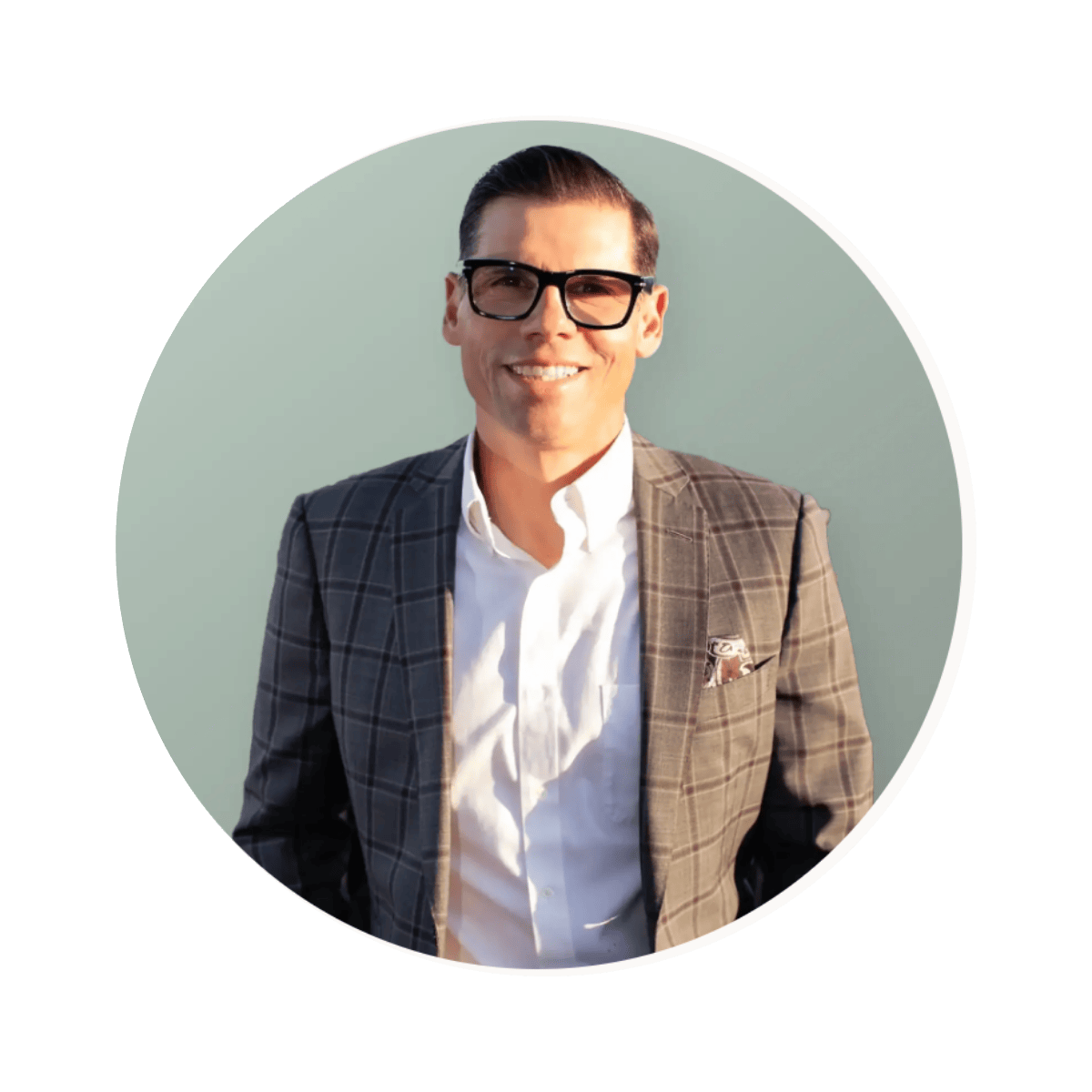
Marco Ramirez serves as the Program Director and Nurse at Nu Dai Wellness, bringing nearly two decades of diverse experience in the substance abuse and mental health fields. Marco has held every role from frontline support staff to Executive Director, providing him with a profound, 360-degree understanding of the recovery journey. His clinical approach integrates a strong medical foundation with a personal journey in recovery, allowing him to deliver ethical, evidence-based, and holistic care that honors the mind, body, and spirit. Under his leadership, Nu Dai Wellness provides a compassionate and clinical sanctuary designed to help individuals move beyond addiction and into a life of lasting hope.
Contact us today to learn more about our specialized family therapy and residential programs. We are here to help you and your loved ones find a path back to one another.