When an individual makes the decision to enter an inpatient drug or alcohol rehab center, incorporating structured CBT therapy is often what transforms physical abstinence into permanent psychological healing. Many people initially think of detox and stabilization as the primary hurdles, but while clearing chemicals from your body is an essential first step, physical abstinence is only a fraction of the recovery equation. The more challenging, long-term work happens within the mind.
For many adults and families in Orange County dealing with substance use disorders, the most frustrating aspect of addiction is the seeming lack of control. You might promise yourself in the morning that you won’t drink or use drugs, only to find yourself repeating the exact same behavior by evening.
This distressing cycle leaves many asking a fundamental question: “Why do I keep falling back into the same destructive routines, and how can professional therapy help me break free for good?”
The answer lies in how chronic substance use alters neural pathways, creating deeply carved mental loops where triggers lead to automatic thoughts, which instantly manifest as intense cravings and compulsive actions. To disrupt this deeply ingrained circuit, you need a structured, clinically proven mechanism that acts directly on your behavioral blueprints.
This is precisely where Cognitive Behavioral Therapy (CBT) comes into play. As a cornerstone of residential addiction treatment at Nu Dai Wellness in Mission Viejo, California, CBT provides individuals with the practical, actionable tools required to actively intercept self-defeating loops.
This comprehensive guide explores the structural science of cognitive restructuring, detailing the 5 ways CBT therapy rewires your brain for lasting sobriety and explaining how immersive residential care accelerates this internal transformation.
The Core Concept: How Thoughts Dictate Sobriety
Cognitive Behavioral Therapy operates on a foundational, evidence-based psychological principle: your thoughts influence your feelings, and your feelings dictate your behaviors. In the context of a substance use disorder, individuals rarely move directly from a stressful event to a relapse. Instead, there is an invisible middle step consisting of automatic negative thoughts and cognitive distortions that skew your perception of reality.
The chain moves progressively from a trigger or stressor, to an automatic negative thought, which then sparks an intense unmanaged craving, and ultimately results in a relapse behavior.
When an individual relies on substances to cope over a long period, the brain utilizes its natural neuroplasticity—its ability to adapt and form new neural connections—to build a highly efficient path of least resistance. If you experience a stressor, such as a professional setback or a relationship conflict, your brain bypasses logical reasoning and shoots straight along its established addiction pathway, interpreting a drink or drug as an immediate requirement for survival.
CBT disrupts this automatic process. Rather than allowing your mind to run on autopilot, cognitive restructuring forces you to step back, examine the validity of your internal monologue, and consciously choose a deliberate, healthy response.
5 Ways CBT Therapy Rewires Your Brain for Lasting Sobriety

Within the continuous, structured environment of our Mission Viejo residential treatment center, CBT works as a daily workout for your mind, systematically breaking down old neural loops and building resilient behavioral pathways.
1. Disrupting Automatic Negative Thoughts (ANTs)
Automatic negative thoughts are the immediate, unbidden internal reactions that flood your consciousness during moments of stress. For someone in early recovery, an ANT might sound like: “I ruined my career, I’m a complete failure, and I’ll never be able to handle this stress sober.” Left unchallenged, these thoughts rapidly generate feelings of hopelessness and anxiety, which quickly balloon into severe relapse cravings.
CBT trains your brain to treat these thoughts not as absolute facts, but as subjective hypotheses. Through regular practice, you learn to catch an ANT the moment it surfaces, pause, evaluate the actual evidence supporting it, and intentionally reframe it into a balanced, grounded perspective.
2. Identifying and Neutralizing Cognitive Distortions
Cognitive distortions are systemic biases or “glitches” in your thinking patterns that reinforce negative emotional states and justify substance use. Common distortions include all-or-nothing thinking (“If I had a minor slip, my whole sobriety is ruined, so I might as well keep using”), catastrophizing (“This craving is so intense it will literally kill me”), and emotional reasoning (“I feel incredibly guilty, so I must be an inherently bad person”).
CBT uses practical behavioral mapping exercises to pull back the curtain on these mental traps. By identifying your specific default distortions, you learn to neutralize them before they can drive you toward impulsive coping mechanisms.
3. Comprehensive Trigger Analysis and Pattern Recognition
Relapses rarely occur out of nowhere; they are almost always preceded by a complex chain of environmental, emotional, or interpersonal triggers. CBT uses precise behavioral analysis to help you dissect past usage episodes down to the microscopic level.
You will work one-on-one with a licensed clinician to evaluate the exact people, places, times of day, physical sensations, and internal emotional states that precede a craving. By mapping out your unique trigger architecture, your brain develops a heightened situational awareness, allowing you to proactively deploy defense strategies before you find yourself in a high-risk scenario.
4. Rewriting the Brain’s Stress Response System
When a person enters early recovery, their brain’s stress response system is highly sensitized, leaving them feeling frequently overwhelmed by standard daily responsibilities. CBT actively remedies this imbalance by replacing impulsive substance use with highly structured, deliberate behavioral alternatives.
During residential treatment at Nu Dai Wellness, clients actively rehearse advanced coping strategies—such as box breathing, thought-stopping techniques, cognitive reframing, and structured problem-solving models. By repeatedly applying these tools to manage real-time stress within the safety of our facility, your brain carves out entirely new, healthy neural tracks that gradually replace the old addiction pathways.
5. Constructing a Proactive Relapse Prevention Architecture
Lasting sobriety is built on proactive planning rather than reactive white-knuckling. The final, vital way CBT rewires your brain is by helping you construct an exhaustive, personalized relapse prevention plan.
This isn’t an abstract concept; it is an actionable, step-by-step emergency protocol. Your CBT work will culminate in a written blueprint that outlines your primary warning signs of emotional regression, a verified list of safe coping activities, and an explicit sequence of communication actions to take if an unmanageable craving strikes. Knowing you possess a reliable, structured safety plan reduces underlying baseline anxiety, giving your mind the confidence needed to sustain long-term healing.
The Power of the Residential Care Advantage
While CBT can be learned in a traditional, once-a-week outpatient setting, integrating this structured approach within an immersive residential treatment model drastically accelerates its clinical efficacy.
At Nu Dai Wellness, Cognitive Behavioral Therapy is not confined to a single individual session. Instead, it is woven into the very fabric of our daily programming. Our clients apply cognitive restructuring techniques during one-on-one counseling, reinforce those concepts during peer group dialogue, and practice them in real time during communal interactions and organized experiential outings.
Because residential care provides a controlled environment with continuous professional observation, our multidisciplinary team can address distorted thought patterns as they happen, rather than waiting weeks for a client to recall them in an outpatient session. This real-time feedback loop allows you to rapidly build internal accountability, test your emerging coping skills in a secure sanctuary, and see measurable psychological progress every single day.
Are you or a loved one ready to experience an elite standard of evidence-based addiction care right here in Orange County? Contact Nu Dai Wellness in Mission Viejo to complete a confidential insurance verification and take your first definitive step toward a clear mind and a life of lasting sobriety.
An Integrated Path to Sustainable Wellness

At Nu Dai Wellness, we recognize that true healing requires a multidimensional approach. While CBT provides the foundational skills and structural framework for thought correction, it does not operate in isolation within our Mission Viejo facility.
Our evidence-based residential model purposefully blends the cognitive precision of CBT with other powerful therapeutic modalities to treat the whole person:
- Dialectical Behavior Therapy (DBT): To enhance real-time emotional regulation and distress tolerance when acute cravings surface.
- Trauma-Informed Care: To gently safely process and heal the underlying root pains, past wounds, or PTSD that frequently drive automatic negative thinking.
- Motivational Enhancement Therapy (MET): To break through internal resistance and amplify your innate, autonomous drive for lasting personal growth.
- Holistic and Somatic Practices: Combining cognitive restructuring with physical regulation therapies like red light therapy, sound baths, and movement-based adventure tracks to ensure both the mind and body return to balance.
About Nu Dai Wellness
Nu Dai Wellness provides premier, evidence-based residential addiction and dual-diagnosis treatment in Mission Viejo, California, serving individuals and families throughout Orange County. Our boutique facility is dedicated to delivering a disciplined, clinical standard of care that honors the unique story of each client. By pairing advanced psychiatric oversight and intensive behavioral therapies like CBT and DBT with holistic wellness methodologies, our expert team helps individuals safely uncover the root causes of their dependencies, break free from self-defeating behaviors, and build a resilient foundation for permanent, life-long sobriety.
Frequently Asked Questions About CBT in Recovery
Is CBT effective for all types of drug and alcohol addictions?
Yes. Cognitive Behavioral Therapy is one of the most thoroughly researched and universally validated modalities in behavioral healthcare. Extensive clinical data demonstrates its deep effectiveness in treating dependencies on alcohol, opioids, benzodiazepines, and stimulants, as well as managing co-occurring mental health challenges like depression and panic disorders.
How soon will I start noticing changes from CBT during rehab?
Because CBT is action-oriented and skill-focused, many individuals begin experiencing a felt sense of mental relief and increased emotional control within the first few weeks of consistent practice. The initial phase focuses heavily on recognizing your immediate automatic thoughts, with long-term automatic rewiring strengthening over time through continuous repetition.
Can my family be involved in my CBT treatment process?
Absolutely. Addiction and unhelpful communication dynamics often impact the entire household system. Nu Dai Wellness incorporates structured family therapy sessions into our residential tracks, helping loved ones learn the baseline vocabulary of cognitive restructuring, identify codependent loops, and construct a supportive home environment that reinforces your recovery goals.
Key Takeaways
- The Cognitive Matrix: CBT operates under the clinical fact that your thoughts dictate your emotions and actions; transforming your internal monologue is required for permanent sobriety.
- Neuroplastic Transformation: By identifying automatic negative thoughts and cognitive distortions, CBT helps your brain systematically dismantle old addiction loops and construct healthy neural pathways.
- Actionable Toolsets: The modality equips individuals with concrete daily strategies, including behavioral mapping, precise trigger analysis, and structured relaxation methods.
- Residential Integration: Practicing cognitive restructuring within an immersive, low-census environment allows clinical teams to guide your behavioral changes in real time.
- Comprehensive Care Alignment: At Nu Dai Wellness, structured CBT blends collaboratively with DBT, trauma-focused counseling, and holistic physical regulation to promote total system healing.
Reviewed by Marco Ramirez, LVN.
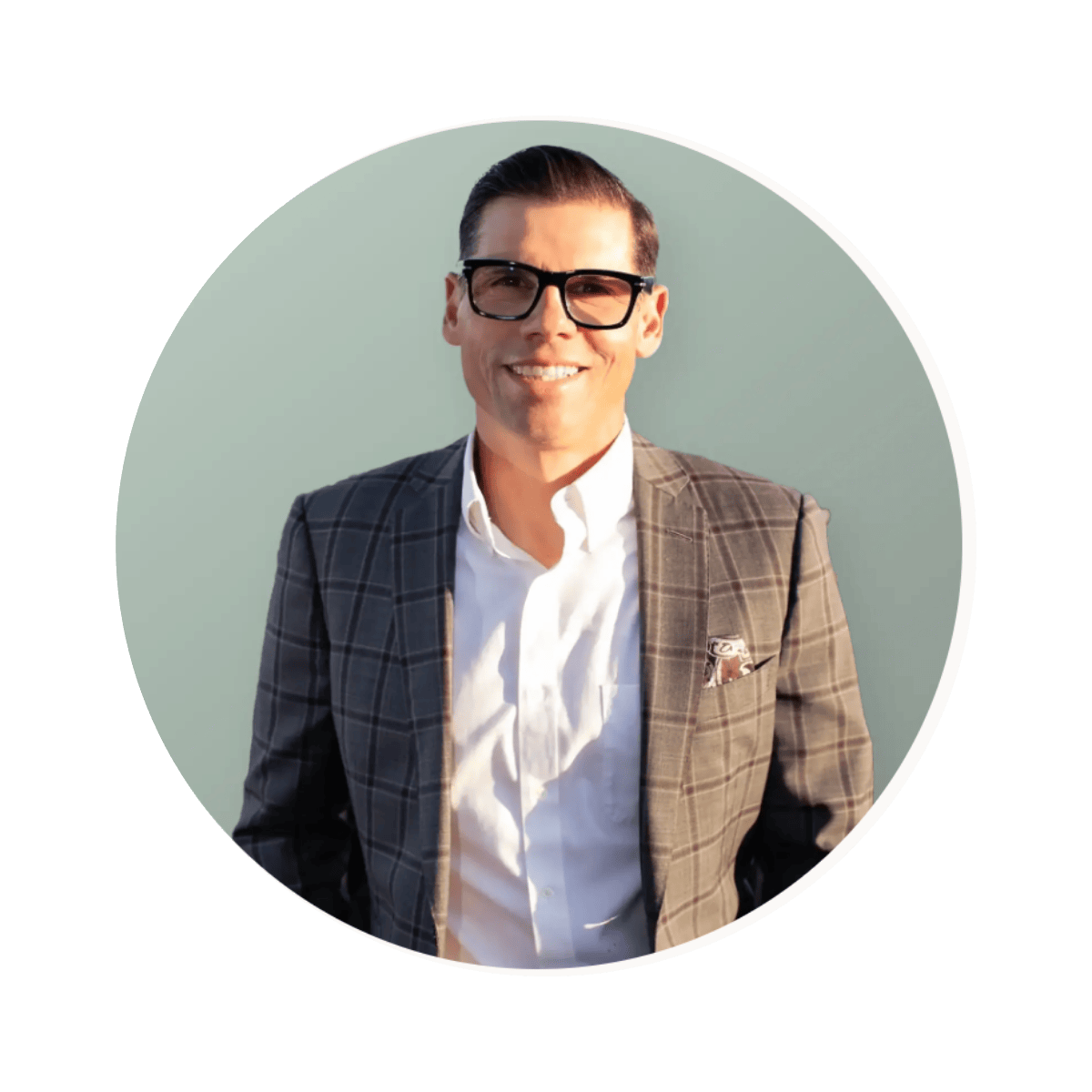
Marco Ramirez serves as the Program Director and Nurse at Nu Dai Wellness, bringing nearly two decades of diverse experience in the substance abuse and mental health fields. Marco has held every role from frontline support staff to Executive Director, providing him with a profound, 360-degree understanding of the recovery journey. His clinical approach integrates a strong medical foundation with a personal journey in recovery, allowing him to deliver ethical, evidence-based, and holistic care that honors the mind, body, and spirit. Under his leadership, Nu Dai Wellness provides a compassionate and clinical sanctuary designed to help individuals move beyond addiction and into a life of lasting hope.
If you or a loved one are ready to explore an immersive, small-scale residential program that explicitly prioritizes real-world reintegration and long-term aftercare planning in Mission Viejo, please reach out to our team today.
If you are tired of feeling trapped by automatic negative thoughts and are ready to safely rebuild your mental health, you do not have to fight this battle alone. Reach out to our compassionate, professional admissions team today or through our secure online intake portal to explore our personalized residential treatment plans.