For many individuals navigating the high-stakes environment of Mission Viejo and the surrounding Orange County communities, the journey toward sobriety feels less like a straight line and more like a recurring cycle of hope and heartbreak. You may have the strongest intentions, the best support system, and a deep desire to change, yet find yourself repeatedly hitting an invisible wall that sends you back to substance use. This “revolving door” of recovery is rarely a result of poor character or a lack of effort; rather, it is often the work of a hidden, underlying force: unaddressed trauma. At Nu Dai Wellness, we have seen that when the internal wounds—the “what happened” of your past—remain unhealed, the body and brain will instinctively reach for a chemical escape to quiet a nervous system that feels permanently unsafe. To truly break the cycle of relapse, we must move beyond surface-level behavioral changes and address the historical roots of the pain. This guide explores how trauma therapy within a boutique residential setting offers the clinical depth and safety required to finally find lasting stability.
Why Traditional Rehab Often Fails the Trauma Survivor

The traditional model of addiction treatment often focuses heavily on behavioral change—stopping the use of the substance and changing daily habits. While these are vital components, they are often secondary to the underlying “why.” If you treat the addiction but ignore the trauma, you are essentially pulling the leaves off a weed while leaving the root intact. Eventually, that weed will grow back, often stronger than before. Trauma therapy shifts the fundamental question of treatment from “What is wrong with you?” to “What happened to you?” This shift in perspective creates a culture of safety and respect, which is the primary requirement for healing. In the fast-paced, high-achievement culture of Southern California, many people carry “high-functioning” trauma—the kind that allows you to keep a job and a home while you are internally crumbling. Without a trauma-informed lens, a treatment provider might miss the hypervigilance or the emotional numbing that drives the need for a chemical escape.
The Neurobiology of Trauma: The Body Keeps the Score
To understand why trauma causes relapse, we have to look at the brain and the nervous system. When a person experiences a traumatic event—whether it is an acute shock like an accident or chronic “complex” trauma like childhood neglect—the brain’s “alarm system” (the amygdala) can become hyper-sensitized. Even years later, the body may act as if the danger is still present. This state of hyperarousal leads to constant anxiety, irritability, and sleep disturbances. Conversely, some people experience “hypoarousal,” where they feel numb, disconnected, or “frozen.” Both states are incredibly uncomfortable. Drugs and alcohol are often used as an external attempt to regulate this internal chaos. Opioids or alcohol might “quiet” the hyperarousal, while stimulants might “wake up” a numbed nervous system. Relapse occurs when the individual stops using the substance but their nervous system remains in “Survival Mode.” Without the drug to regulate the “alarm,” the internal noise becomes unbearable, leading the person back to the only solution they know works.
Expanding the Window of Tolerance

A central goal of trauma therapy at Nu Dai Wellness is helping our clients expand their “Window of Tolerance.” Developed by Dr. Dan Siegel, this concept describes the zone where we can effectively manage our emotions and the stresses of life. When we are within our window, we can think clearly and respond rationally. Trauma, however, narrows this window. A trauma survivor might find themselves easily “blown out” into hyperarousal (panic, rage, or racing thoughts) or “dropped down” into hypoarousal (depression, dissociation, or emptiness) by seemingly minor triggers.
By utilizing trauma therapy in a residential setting, we help clients recognize when they are drifting toward the edges of their window. We teach grounding and stabilization techniques that allow them to stay within their zone of safety. Over time, through consistent practice and clinical support, the window begins to expand. The individual learns that they can handle stress, memories, and difficult emotions without their nervous system “short-circuiting” into a state that requires a substance for relief.
The Boutique Advantage: Safety, Trust, and Intimacy
Healing from trauma requires a deep sense of safety—something that is often difficult to find in large, institutionalized treatment centers. In a facility with fifty or one hundred beds, a trauma survivor can easily feel lost, overwhelmed, or “triggered” by the sheer volume of people and the impersonal nature of the care. At Nu Dai Wellness in Mission Viejo, we have intentionally designed a boutique residential program. By maintaining a small, intimate community, we create an environment where safety and trust are the defaults. Our clinicians can monitor stress responses closely and move at a pace that is clinically appropriate for the individual. Trauma work cannot be rushed; if a client is pushed to “process” their past before they have the stabilization skills to handle it, they risk retraumatization. Our small-scale setting allows for the deliberate, individualized attention needed to ensure that every step forward is taken on solid ground.
A Comprehensive Continuum: Medical Detox and Residential Treatment
At Nu Dai Wellness, we provide a full continuum of care to ensure that the journey of healing the root of relapse is supported from day one. This begins with Medical Detox. For many individuals, the prospect of stopping their substance use is terrifying because of the physical and emotional withdrawal symptoms. Our detox program in Mission Viejo offers 24/7 medical oversight, ensuring that the body is cleared of substances safely and with as much comfort as possible. We prioritize stabilization during this phase, providing a quiet, restorative environment where the physical “fog” can begin to lift.
Once medically stabilized, clients transition into our Residential Treatment program. This is where the deeper work of trauma therapy takes place. In a structured residential setting, clients are removed from the environmental triggers of their daily life in Orange County. They engage in a variety of evidence-based and experiential modalities, including CBT, DBT, and Psychodynamic therapy, all delivered through a trauma lens. Because we are a residential program, we can address the whole person—rebuilding routines, strengthening daily accountability, and fostering the peer connections that are so vital for trauma survivors who have felt isolated by their pain.
“Bottom-Up” Regulation: Cold Plunge and Sauna Therapy
One of the most innovative aspects of the Nu Dai approach is our integration of “bottom-up” regulation tools. Traditional talk therapy is “top-down”—it uses the mind to influence the body. However, trauma lives in the body. Sometimes, the body needs to lead the healing. We incorporate cold plunge therapy and sauna therapy not as luxury amenities, but as clinical tools for nervous system stabilization.
The cold plunge, in particular, is a powerful teacher. When you enter the freezing water, your body immediately goes into a stress response. By practicing breathwork and staying present, you are retraining your nervous system to stay calm under pressure. You are proving to your brain that you can handle intense, uncomfortable sensations without running away. Similarly, the sauna provides a space for detoxification and deep physical relaxation, helping to lower cortisol levels and discharge the “trauma energy” often stored in the muscles. These somatic tools provide an immediate, biological reset that complements the cognitive work done in therapy sessions.
Integrated Modalities for Whole-Person Healing
Trauma therapy at Nu Dai Wellness is not a single session on a calendar; it is a philosophy that informs everything we do. Our clinical team integrates a wide range of therapies to ensure that both skill-building and emotional processing occur in balance.
- CBT and DBT: These provide the practical tools for managing the thoughts and emotional volatility that trauma often leaves in its wake.
- Adventure and Experiential Therapy: These allow clients to rebuild confidence and reconnect with their bodies in the beautiful outdoor environments of Southern California.
- Sound Bath and Meditation: These provide the quiet space necessary for the brain to rest and for the individual to develop a “Wise Mind.”
- Reiki and Physical Wellness: We address the spiritual and physical depletion that long-term addiction and trauma cause, restoring the individual’s sense of wholeness.
By combining these diverse modalities in a small, community-based model, we ensure that the transition into sobriety is not just about abstinence, but about a total reorganization of how the individual moves through the world.
Serving Mission Viejo and the Orange County Community
Nu Dai Wellness is proud to be a premier resource for trauma-informed addiction treatment in Mission Viejo. We serve individuals throughout Orange County—including Irvine, Laguna Niguel, Newport Beach, and San Clemente—who are seeking a higher standard of individualized care. We understand the specific pressures of living and working in Southern California, and we provide the privacy and clinical depth required to address those pressures. Whether you are struggling with alcohol, opioids, benzodiazepines, or prescription misuse, we recognize that your addiction is likely a symptom of a deeper story. Our mission is to help you rewrite that story from a place of empowerment and stability.
Navigating the Path to Peace Through Specialized Trauma Therapy
At Nu Dai Wellness, we believe that trauma therapy is not merely an addition to our curriculum; it is the vital engine that drives the entire recovery process. For our clients in Mission Viejo, engaging in trauma therapy means finally having the space to unpack the heavy burdens of the past in a setting that prioritizes their emotional and physical safety. This specialized form of trauma therapy works in tandem with our medical detox to ensure that as the body clears the substance, the mind begins to clear the static of old wounds. By participating in trauma therapy within a boutique residential environment, you are given the individualized attention necessary to explore sensitive topics at a pace that prevents burnout or overwhelm. Our goal is to ensure that trauma therapy becomes the bridge that carries you from the chaos of active addiction to the lasting tranquility of a life in balance. Through consistent engagement in trauma therapy, our Orange County clients discover that while they cannot change what happened to them, they can absolutely change how it affects their future. This commitment to intensive trauma therapy ensures that when you leave our sanctuary, you aren’t just leaving a habit behind—you are moving forward with a restored sense of self.
FAQ: Trauma and Recovery at Nu Dai Wellness
What is the difference between “regular” therapy and trauma-informed therapy? Regular therapy may focus on current behaviors or goals, whereas trauma therapy specifically acknowledges that past traumatic events have shaped your current behaviors and nervous system. It prioritizes emotional safety and stabilization to ensure that therapy doesn’t inadvertently cause more stress.
Do I have to have “major” trauma for this to be effective? No. Trauma is not defined by the event itself, but by the nervous system’s response to it. “Small-t” traumas—such as a difficult divorce, workplace bullying, or emotional neglect—can be just as disruptive to the nervous system and as much a driver of addiction as major acute events.
Will I have to “relive” my trauma in therapy? No. One of the core principles of trauma-informed care is moving at a “clinically appropriate pace.” The focus is first on stabilization and building coping tools. We only begin to process past experiences when you have the internal resources to do so safely without becoming overwhelmed.
Is medical detox really necessary? For many substances, especially alcohol and benzodiazepines, detox is a medical necessity to prevent life-threatening complications. Even for other substances, a professional medical detox provides the safety and comfort needed to ensure you don’t return to use just to stop the physical pain of withdrawal.
Why is the boutique setting better for trauma survivors? Large groups and institutional settings can be inherently triggering for people with trauma. A boutique setting allows for lower staff-to-client ratios, more individualized attention, and a stronger sense of “predictable structure,” all of which help a trauma survivor feel safe enough to heal.
How does the cold plunge help with trauma? Trauma often leaves the nervous system in a state of chronic “high alert.” Cold plunge therapy serves as a “reset button,” forcing the body into a stress response and then teaching it how to recover and find calm. It builds “vagal tone” and resilience.
Does insurance cover trauma-informed residential treatment? Nu Dai Wellness works with many major insurance providers. Our admissions team at (949) 775-3487 can help you verify your benefits and see how your plan can support your journey toward healing.
If you are tired of the cycle of relapse and are ready to address the pain that lies beneath your addiction, Nu Dai Wellness is here to guide you. Our boutique residential and detox programs in Mission Viejo provide the clinical sanctuary and expert care needed to heal the root and build a future of lasting sobriety. Contact us today for a confidential assessment.
Break the cycle once and for all. Reach out to the clinical experts at Nu Dai Wellness to learn how our boutique approach to trauma therapy can help you build a foundation for permanent sobriety.
Medically Reviewed by Marco Ramirez, LVN.
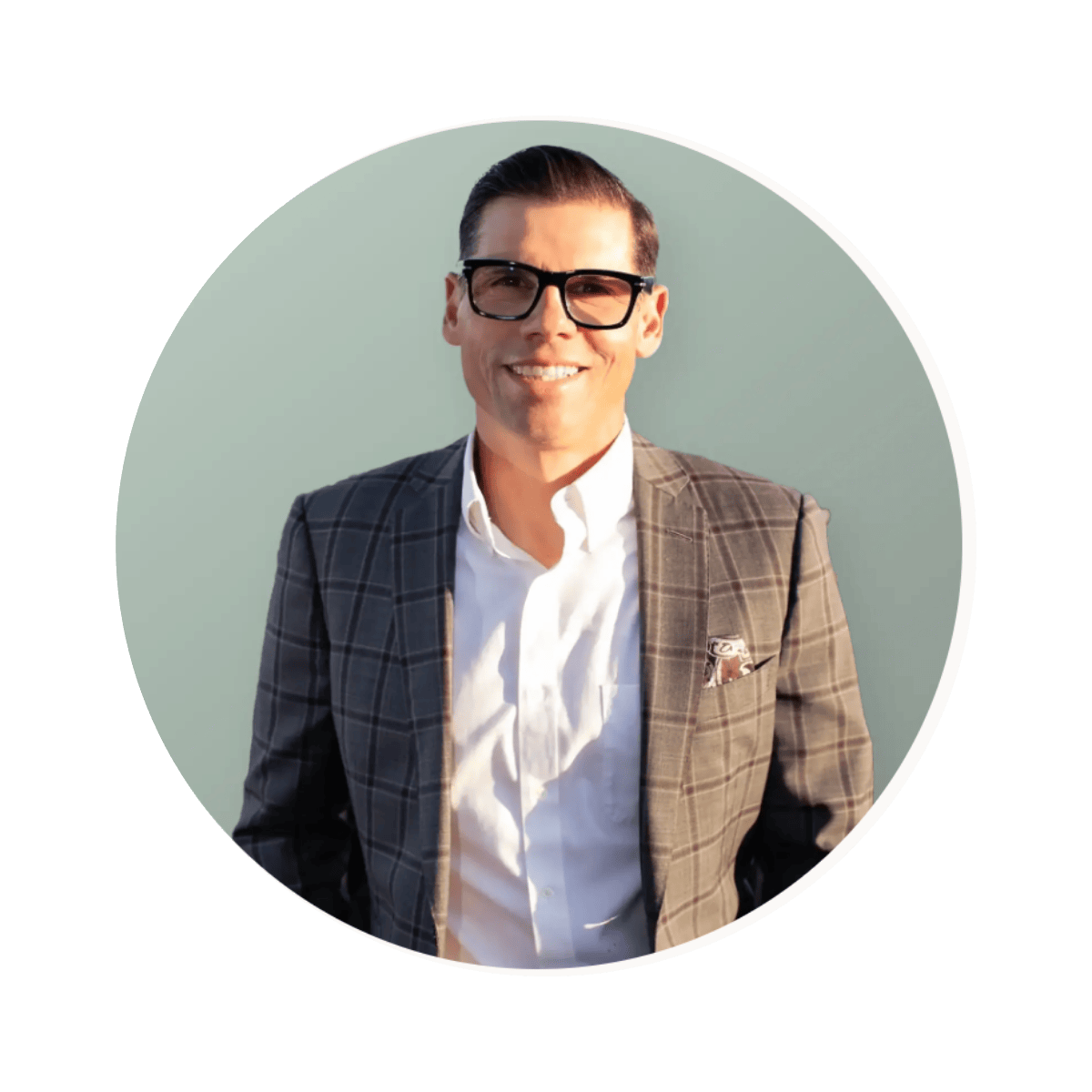
Marco Ramirez serves as the Program Director and Nurse at Nu Dai Wellness, bringing nearly two decades of diverse experience in the substance abuse and mental health fields. Marco has held every role from frontline support staff to Executive Director, providing him with a profound, 360-degree understanding of the recovery journey. His clinical approach integrates a strong medical foundation with a personal journey in recovery, allowing him to deliver ethical, evidence-based, and holistic care that honors the mind, body, and spirit. Under his leadership, Nu Dai Wellness provides a compassionate and clinical sanctuary designed to help individuals move beyond addiction and into a life of lasting hope.