
For many entering a residential treatment program, the vision of “therapy” is limited to a quiet office, two chairs, and a box of tissues. While traditional talk therapies like Cognitive Behavioral Therapy (CBT) and Dialectical Behavior Therapy (DBT) are the cornerstones of clinical recovery, they often operate in a controlled, stationary environment. However, addiction is not a stationary disease. It is a dynamic, chaotic, and action-oriented struggle that affects how an individual moves through the world. It stands to reason, then, that recovery should also involve movement and real-world application. This is where adventure therapy, also known as experiential or action-based therapy, becomes a transformative force in the rehab process.
Adventure therapy is an experiential therapeutic approach used in addiction treatment to reinforce emotional regulation, communication skills, adaptability, and accountability in dynamic environments. In a scenic and diverse setting like Mission Viejo, California, adventure therapy serves as a bridge between clinical theory and real-world practice. It allows behavioral patterns to emerge naturally so they can be addressed in real time by licensed professionals. If you are considering a path to sobriety, understanding the profound impact of action-based healing is essential. Here are ten reasons why adventure therapy is a critical component of a successful, modern recovery program.
1. Moving from Insight to Application
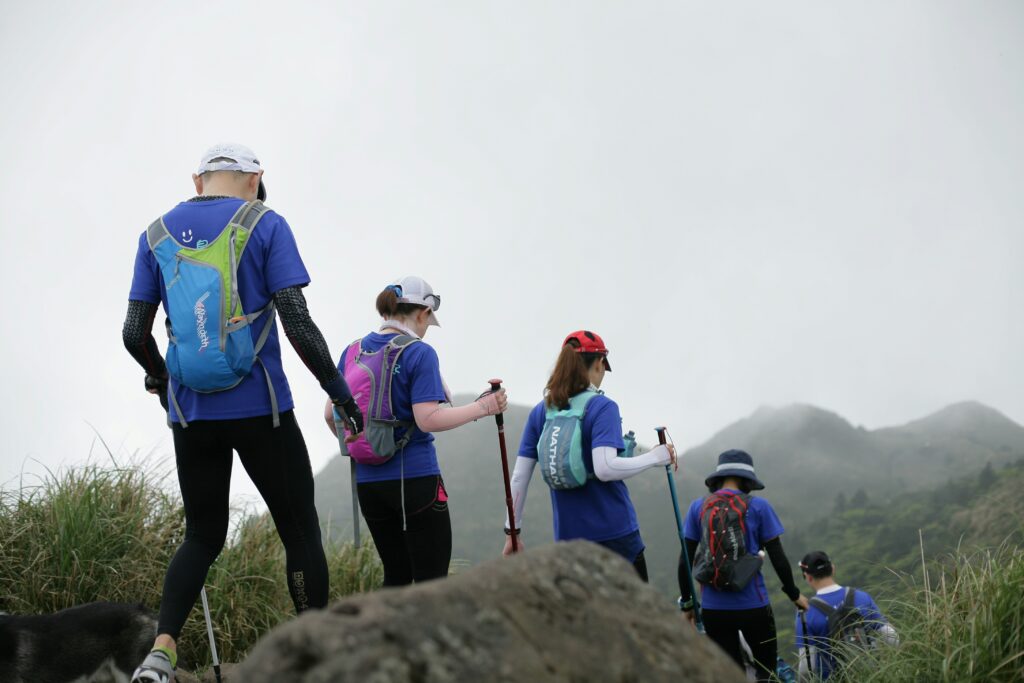
Traditional therapy provides the “insight”, you learn why you feel the way you do and what your triggers are. Adventure therapy provides the “application.” It is one thing to discuss frustration tolerance in a comfortable office; it is quite another to practice it when your team is struggling to solve a puzzle in an escape room or when you are navigating a difficult incline on a guided hike. Adventure therapy forces you to take the tools you’ve learned on the couch and use them in the field, ensuring that your recovery skills aren’t just academic, but practical.
2. Identifying “Hidden” Behavioral Patterns
In an office setting, it is easy to “perform” the role of a good patient. You can say the right things and follow the social cues of a therapy session. However, when you are placed in a dynamic environment, such as a competitive round of mini-golf or a collaborative task, your natural behavioral patterns emerge. Do you get defensive when you lose? Do you shut down when a teammate offers a suggestion? Do you try to take over the situation when you feel anxious? Adventure therapy allows clinicians to observe these real-time behaviors and provide immediate, direct feedback that might never have surfaced in a standard session.
3. Rebuilding Self-Confidence Through Achievement
Addiction often leaves individuals feeling incapable and powerless. Adventure therapy is designed to rebuild a sense of self-confidence through tangible achievements. Whether it is reaching the end of a trail, hitting a strike in bowling, or successfully navigating an arcade challenge, these “small wins” provide proof that you are capable of success. This isn’t empty praise; it is earned confidence. Over time, these experiences help silence the inner critic that says “you can’t do this” and replace it with a resilient “I can.”
4. Strengthening Peer Accountability and Teamwork
Sobriety is rarely achieved in isolation. Adventure therapy emphasizes the importance of the community. Many activities, like structured group recreational tasks, require participants to rely on one another to achieve a common goal. This fosters a sense of peer accountability. You learn that your actions affect the group, and the group’s support affects you. This mirrors the accountability needed in a 12-step meeting or a sober living environment, teaching you how to be a reliable member of a community once again.
5. Practicing Emotional Regulation Under Mild Stress
The real world is stressful, and part of recovery is learning how to handle that stress without reaching for a substance. Adventure therapy introduces “safe stress”—challenges that are difficult but supervised. By practicing emotional regulation techniques in these moments, you “train” your nervous system to stay calm under pressure. You learn to recognize the physical signs of frustration or anxiety and apply your DBT skills—like paced breathing or radical acceptance—to stay grounded.
6. Improving Problem-Solving and Adaptability
Life doesn’t always go according to plan, and for those in recovery, unexpected changes can often trigger a relapse. Adventure therapy places individuals in unfamiliar or changing situations that require quick thinking and adaptability. Navigating a museum visit or adjusting to the rules of a new game requires cognitive flexibility. By improving your problem-solving abilities in these settings, you become better equipped to handle the “curveballs” that life will inevitably throw at you after treatment.
7. Somatic Grounding and Physical Presence
Addiction often leads to a disconnection between the mind and the body. Adventure therapy is inherently somatic—it involves the physical self. Being out on the beach or hiking through the Mission Viejo trails brings you back into your body. You feel the sun, the wind, and the physical effort of movement. This grounding effect is incredibly therapeutic for those dealing with trauma or high-level anxiety, as it pulls the mind away from ruminative thoughts and into the present, physical moment.
8. Enhancing Communication Skills
Effective communication is often one of the first things lost in addiction. Adventure therapy requires clear, honest, and direct communication to navigate group tasks. Whether you are discussing strategy in an escape room or coordinating with peers during a beach excursion, you are practicing how to express your needs and listen to others. These real-time adjustments in how you speak and listen are vital for rebuilding relationships with family and friends.
9. Satisfying the Need for Healthy Stimulation
Many people who struggle with substance use are “sensation seekers” who crave intensity. Adventure therapy provides a healthy, safe outlet for this drive. Engaging in competitive or physically active tasks like go-karting provides a natural dopamine rush. It teaches the brain that it is possible to feel excitement, intensity, and fun without the use of chemicals. This helps recalibrate the brain’s reward system, making long-term sobriety feel more fulfilling and less like a sacrifice.
10. Translating Therapy into Daily Life
The ultimate goal of rehab is to prepare you for life outside of the facility. Adventure therapy ensures that therapy doesn’t stay in the “treatment bubble.” By practicing skills in movies, museums, and recreational centers, you are essentially practicing how to live a sober life in the real world. You learn that you can have fun, handle stress, and connect with people in everyday settings. This reduces the “re-entry shock” that many feel when transitioning from the structure of rehab back into their daily routines.
Adventure Therapy at Nu Dai Wellness: A Mission Viejo Experience

At Nu Dai Wellness, we believe that recovery should be as dynamic and vibrant as the Southern California landscape that surrounds us. Located in the heart of Mission Viejo, our boutique residential program prioritizes adventure therapy not as a recreational “break” from treatment, but as a core clinical modality. We understand that for many of our guests, true breakthroughs happen when they are out in the world, engaging with life in a way that feels fresh and meaningful.
Our adventure therapy program is intentionally structured and clinically guided. We utilize the diverse environments of Orange County, from the peaceful coastal beaches to the rugged hiking trails, to create therapeutic experiences that challenge and inspire. Because Nu Dai Wellness maintains an intentionally small census, our clinicians are able to participate in these outings alongside our guests. This allows for immediate, individualized feedback. We don’t wait for the next day’s session to discuss a communication breakdown; we address it the moment it happens, while the experience is still fresh.
What an Adventure Therapy Outing at Nu Dai Looks Like
When you participate in adventure therapy at Nu Dai Wellness, you can expect a variety of experiences designed to test and strengthen different facets of your recovery. Our outings are carefully selected to provide the right balance of challenge and reflection.
- Escape Room Challenges: These are high-intensity collaborative tasks that require logic, leadership, and frustration tolerance. They are incredible tools for observing how guests handle pressure and work within a team.
- Structured Recreational Activities: Outings like mini-golf, go-karting, or arcade challenges introduce a healthy element of competition. We process these activities to examine how guests handle winning, losing, and the “rush” of the game.
- Guided Hikes and Beach Excursions: Taking advantage of the natural beauty of Mission Viejo and Orange County, these outings focus on somatic grounding and mindfulness. They provide a space for quiet reflection and physical rejuvenation.
- Cultural and Social Outings: Visits to museums or movie theaters followed by post-processing discussions help guests practice social skills and intellectual engagement in a sober context.
- Bowling and Team Sports: These activities emphasize peer accountability and the joy of sober social connection.
Each experience concludes with a structured post-activity processing session. This is where the true therapeutic value is solidified. Our clinicians lead discussions where guests reflect on their stress responses, communication patterns, and emotional regulation throughout the activity. We ask questions like: “What did you feel when the group couldn’t find the last clue?” or “How did you manage the urge to give up during the hike?” By connecting the dots between the activity and the internal recovery process, we ensure that every outing contributes to long-term stability.
Who Benefits Most from the Nu Dai Adventure Model?
While adventure therapy is a powerful tool for anyone, we find it is particularly beneficial for certain individuals within our Mission Viejo program. For those who have spent years in “talk therapy” without seeing behavioral change, the action-oriented nature of our program provides the necessary shift. It is also an ideal modality for “kinesthetic learners”—those who learn best by doing rather than just listening.
Adolescents and young adults often find adventure therapy to be the most engaging part of their treatment, as it speaks to their need for activity and social connection. Additionally, individuals who struggle with social anxiety or interpersonal communication find that the shared focus of an adventure task makes it easier to build relationships and practice new social skills. At Nu Dai Wellness, we specialize in identifying how these experiential challenges can be tailored to meet the specific clinical goals of each guest, ensuring that your time in the outdoors is just as productive as your time in the office.
Integrating Adventure with Evidence-Based Care
At Nu Dai Wellness, adventure therapy does not stand alone. It is seamlessly integrated with our comprehensive suite of evidence-based treatments, including CBT, DBT, Psychodynamic Therapy, and Motivational Enhancement Therapy (MET). We view adventure therapy as the “practice field” for the skills learned in those sessions.
For example, a guest might learn a specific deep-breathing technique in a DBT session on Monday. On Wednesday, during a challenging hike or a high-stakes escape room, they are encouraged to use that specific technique to manage their heart rate and frustration. This reinforcement ensures that clinical skills become “muscle memory.” By practicing these strategies in dynamic, real-world environments, our guests build a resilient foundation of recovery that remains strong long after they transition back to their daily lives in Orange County.
Frequently Asked Questions about Adventure Therapy
Is adventure therapy just a fun field trip? No. While our outings are designed to be engaging, they are clinically structured and intentional. Each activity is selected to address specific therapeutic goals such as frustration tolerance, communication, or leadership. The “work” of adventure therapy happens in the reflection and processing that follows the activity.
Do I need to be athletic to participate? Not at all. Our adventure therapy program is inclusive and can be adapted to various physical abilities. Whether it’s a visit to a museum or a guided hike, our clinicians ensure that the level of challenge is appropriate for each individual guest.
How does adventure therapy help with relapse prevention? By practicing real-world skills in diverse environments, you build the “resilience muscles” needed to stay sober. You learn how to handle social pressure, boredom, excitement, and frustration without turning to a substance. This makes the transition back to daily life much smoother and less overwhelming.
Is adventure therapy safe? Yes. All of our outings are supervised by experienced clinical and medical staff. We prioritize the safety and well-being of our guests, ensuring that all activities are conducted in a controlled, supportive environment.
How often do guests participate in adventure therapy at Nu Dai? Adventure therapy is a regular part of our weekly residential programming at Nu Dai Wellness. We believe in a balanced schedule that combines intensive individual work with these vital experiential outings.
Does insurance cover adventure therapy? Adventure therapy is typically covered as part of a comprehensive residential treatment program. Our admissions team at Nu Dai Wellness can help you verify your insurance benefits to ensure your path to recovery is fully supported.
Start Your Adventure with Nu Dai Wellness
Recovery should be as expansive as the life you’re trying to build. You deserve a treatment program that challenges you, inspires you, and helps you find your strength in the real world. At Nu Dai Wellness in Mission Viejo, we are ready to help you step off the therapy couch and into your new life.
Contact Nu Dai Wellness today to learn how our adventure therapy programs in Mission Viejo can help you find your strength in the great outdoors. Our team is available for a confidential consultation to discuss how our holistic, action-based approach can accelerate your healing.
Honor Your Journey Stop fighting your past and start exploring your future. Reach out to the clinical experts at Nu Dai Wellness now for a confidential assessment and discover how experiential healing can translate your recovery goals into a reality. Your new horizon is waiting.
Medically Reviewed by Marco Ramirez, LVN.

Marco Ramirez serves as the Program Director and Nurse at Nu Dai Wellness, bringing nearly two decades of diverse experience in the substance abuse and mental health fields. Marco has held every role from frontline support staff to Executive Director, providing him with a profound, 360-degree understanding of the recovery journey. His clinical approach integrates a strong medical foundation with a personal journey in recovery, allowing him to deliver ethical, evidence-based, and holistic care that honors the mind, body, and spirit. Under his leadership, Nu Dai Wellness provides a compassionate and clinical sanctuary designed to help individuals move beyond addiction and into a life of lasting hope.