The journey of recovery is rarely a straight line. For decades, the traditional approach to addiction treatment focused primarily on the “neck up”, addressing the cognitive patterns and behaviors that drive substance use through talk therapy. While individual and group counseling remain foundational, we now understand that addiction is a total-body experience. It disrupts the nervous system, alters brain chemistry, and creates a physiological state of high-alert that makes sitting in a therapy session feel nearly impossible. This is why the shift toward holistic rehab is not just a trend; it is a clinical evolution. By treating the human being as a complete ecosystem, mind, body, and spirit, holistic rehab provides the stabilizing floor that traditional therapy needs to be effective. In Mission Viejo and throughout Orange County, these bioregulatory tools are helping individuals find a baseline of calm that they haven’t felt in years.
1. Achieving Deep Nervous System Stabilization

The most significant benefit of holistic rehab is its ability to regulate a dysregulated nervous system. Substance use acts like a sledgehammer to the body’s natural stress-response system. Stimulants keep the body in a state of hyper-arousal, while depressants artificially force a state of calm. When these substances are removed, the nervous system is left in a state of chaos, often stuck in a permanent “fight or flight” response.
Holistic modalities like cold plunge therapy and sound baths are specifically designed to retrain the nervous system. By exposing the body to controlled cold, for instance, we force the system to practice shifting from high-stress reactivity to parasympathetic “rest and digest” recovery. This physiological recalibration reduces the baseline anxiety that so often leads to relapse.
2. Restoring Natural Dopamine Production
Chronic addiction effectively hijacks the brain’s reward system. Over time, the brain stops producing its own “feel-good” chemicals, relying instead on the massive, artificial spikes provided by drugs or alcohol. This leads to anhedonia—a state of emotional flatness where nothing feels good.
Holistic rehab uses bioregulatory tools to jumpstart the brain’s natural chemistry. Studies have shown that cold water immersion can increase baseline dopamine levels by up to 250 percent. Unlike a drug-induced spike, this is a sustained increase that helps stabilize mood and provides a natural sense of well-being. By utilizing these tools, holistic rehab helps the brain remember how to feel good without a chemical crutch.
3. Increasing Distress Tolerance through Hormetic Stress
Recovery requires the ability to handle discomfort without reaching for a substance. In a traditional setting, this is taught through worksheets; in a holistic setting, it is taught through experience. This is the principle of hormesis: beneficial stress.
Controlled exposure to extreme cold or heat (sauna therapy) provides a safe “skills lab” for the brain. When you are in a cold plunge, your body is screaming at you to flee. By staying in and using breathwork to remain calm, you are building the mental muscle of distress tolerance. You are teaching your brain that you can be uncomfortable, and even in pain, without reacting impulsively. This skill translates directly to managing cravings in the real world.
4. Reducing Physiological Hyperarousal and Anxiety
Many individuals struggling with addiction suffer from a constant sense of agitation. This physiological hyperarousal makes it difficult to focus, sleep, or connect with others. Holistic rehab integrates relaxation-based modalities to lower this baseline tension.
Tools like Reiki and guided meditation are not just “nice to have” additions; they are structured supports for emotional balance. By using gentle, non-invasive techniques to promote calmness, these modalities help lower heart rates and blood pressure. When the body is no longer in a state of emergency, the mind is much more receptive to the deep cognitive work required in CBT and DBT sessions.
5. Bridging the Gap between Insight and Application
A common criticism of traditional rehab is that patients become “experts in their own problems” but struggle to apply that knowledge once they leave the therapist’s office. Holistic rehab addresses this through adventure therapy and experiential learning.
Adventure therapy takes the skills learned in the clinical environment—communication, accountability, and regulation—and tests them in real-world scenarios. Whether it’s navigating an escape room challenge or participating in a guided hike, these activities force individuals to practice sobriety in action. It moves recovery from a theoretical concept to a practiced skill, increasing self-confidence and practical resilience.
6. Enhancing Mental Clarity and Cognitive Focus
Substance use often leads to “brain fog” and a fragmented attention span. Holistic rehab incorporates mindfulness-based practices to quiet the cognitive noise. Sound bath therapy, for example, uses frequency and resonance to encourage brainwave entrainment.
By shifting the brain from a high-alert Beta state into a calm Alpha or Theta state, individuals can experience a level of focus and clarity they thought was lost. This improved cognitive function allows for better problem-solving abilities and a more profound engagement with the therapeutic process. It’s easier to rebuild your life when you can finally think clearly.
7. Improving Sleep Quality and Physical Recalibration
Insomnia is one of the most cited reasons for early relapse. If a person cannot sleep, they cannot heal. Holistic rehab addresses sleep from a bioregulatory perspective. By stimulating the vagus nerve through cold exposure and calming the central nervous system through sound and meditation, these programs help reset the body’s circadian rhythm.
Sauna therapy also plays a role here by improving circulation and promoting a deep, physical sense of relaxation. When the body is physically recalibrated, sleep comes more naturally. This physical recovery is essential for the brain to process the emotional work being done during the day.
8. Building Peer Accountability through Shared Experience
Addiction is a disease of isolation, but holistic rehab fosters a unique sense of community. Experiential activities like bowling, beach excursions, or group sound baths create a “we” mentality. In these environments, behavioral patterns emerge naturally.
If someone becomes frustrated during a group activity, it provides a real-time opportunity for a clinician to provide feedback. Peers can support one another in these dynamic environments, building a level of accountability and trust that is difficult to replicate in a sterile clinical room. This social stabilization is a key predictor of long-term success.
9. Cultivating a Mind-Body Connection
Many people in recovery feel a sense of disconnection from their physical selves. They may view their body as an enemy that is constantly craving or failing them. Holistic rehab, particularly through modalities like Reiki and body-awareness exercises, helps repair this relationship.
By focusing on grounding techniques and non-invasive hand placements, individuals learn to perceive their bodies as a source of safety rather than a source of distress. This “embodied recovery” is vital for processing trauma, as much of our emotional pain is stored in our physical tissues. Learning to feel safe in your own skin is perhaps the greatest gift of a holistic approach.
10. Creating a Sustainable Lifestyle for Long-Term Sobriety
The ultimate goal of any rehab program is to prepare the individual for life after treatment. Holistic rehab focuses on building a “wellness toolkit” that can be maintained forever. You cannot take your therapist home with you, but you can take your breathwork, your meditation practice, and your understanding of nervous system regulation.
By exposing guests to a variety of modalities—from the intense discipline of the cold plunge to the quiet reflection of art therapy—holistic rehab helps each person find the specific tools that resonate with them. This personalized, comprehensive approach ensures that they aren’t just “sober,” but that they are actively thriving in a healthy, balanced life.
Holistic Recovery at Nu Dai Wellness in Mission Viejo

At Nu Dai Wellness, we believe that addiction recovery requires more than just abstinence; it requires a total physiological and psychological reset. Our boutique residential treatment program in Mission Viejo is built on the foundation of integrated, holistic care. We don’t view these modalities as “alternatives”—we view them as essential components of a modern, evidence-based recovery strategy. Because our program is intentionally small, our clinicians are able to monitor each guest’s response to these therapies in real-time, ensuring that every session is safe, structured, and clinically appropriate.
Structured Nervous System Regulation: Cold Plunge & Sauna
Within our Mission Viejo facility, cold plunge and sauna therapy are used as intentional regulation tools. We use these practices to help retrain the body’s stress response patterns and strengthen resilience. These sessions are always supervised and integrated into a broader therapeutic program that includes CBT and DBT. By practicing emotional regulation coaching during the “shock” of the cold and the “recovery” of the heat, our guests learn to maintain physiological control regardless of their environment.
Sonic Healing and Mindfulness: Sound Baths & Meditation
Our sound bath and meditation sessions are designed to quiet the cognitive reactivity that so often drives substance use. By utilizing specific frequencies and guided mindfulness practices, we help our guests reduce physiological hyperarousal and improve emotional control. These are not passive relaxation sessions; they are structured opportunities to build present-moment awareness and distress tolerance. This body-based regulation is essential for those who experience racing thoughts or sleep disruption in early sobriety.
Action-Based Growth: Adventure Therapy
Nu Dai Wellness is proud to offer adventure therapy as part of our daily residential programming. We take recovery into the real world—from escape room challenges and structured competitive environments like mini-golf to museum visits and guided hikes. These experiential outings allow our clinicians to observe leadership behaviors, communication patterns, and stress responses as they happen. Each activity is followed by structured post-session reflection, ensuring that the skills learned in the field translate directly back to the recovery journey.
Complementary Support: Reiki Therapy
For guests seeking deep relaxation and emotional balance, we offer Reiki as a complementary, optional modality. While not a primary clinical therapy, these structured sessions support stress reduction by lowering baseline tension. In the quiet, supportive environment of our Mission Viejo program, Reiki sessions help individuals who struggle with anxiety or have difficulty relaxing. This gentle support reinforces the cognitive and behavioral work being done in individual therapy, allowing for a more profound healing experience.
Individualized, Boutique Care in Orange County
Serving the entirety of Orange County, Nu Dai Wellness provides a sanctuary for self-discovery and growth. We integrate our holistic modalities—Reiki, Sound Baths, Cold Plunges, and Adventure Therapy—with evidence-based clinical care to ensure the most comprehensive recovery experience possible. Our collective goal is to make every resident feel comfortable, safe, and empowered. We succeed only when you succeed, and we are committed to being your partners in this life-changing transformation.
Take the First Step Toward Total Wellness
You are more than your addiction, and your treatment should reflect that. At Nu Dai Wellness, we are ready to help you rebuild your life from the inside out. Contact us today to schedule a confidential consultation. Our team can help you understand your options, verify your insurance, and show you how our integrated holistic approach can lead to the lasting freedom you deserve. Your journey to wellness starts here in Mission Viejo—let’s achieve success together.
Frequently Asked Questions
Is holistic rehab better than traditional rehab?
It is not a matter of “better” but “more complete.” Traditional rehab provides essential cognitive tools, but holistic rehab provides the physiological stabilization needed to use those tools. At Nu Dai Wellness, we combine both for the most effective outcome.
Are these holistic therapies covered by insurance?
Many insurance providers recognize the value of residential addiction treatment that includes integrated modalities. We recommend calling our admissions team to perform a confidential insurance verification to see what is covered under your specific plan.
Is Reiki considered a medical treatment?
Reiki is categorized as a complementary, relaxation-based modality. It is used as a supportive addition to clinical treatment, not a substitute for it. Its primary role is in stress reduction and emotional stabilization.
Can anyone participate in the cold plunge and sauna sessions?
Participation is always evaluated for clinical appropriateness. While most people benefit from these regulation tools, our medical team monitors individual health factors to ensure that participation is safe and aligned with each guest’s overall treatment plan.
What is the “adventure” in adventure therapy?
Adventure therapy at Nu Dai Wellness includes a variety of real-world activities like escape rooms, bowling, beach excursions, and museum visits. The goal is to practice emotional regulation and communication skills in dynamic, mildly stressful, or social environments.
How does a sound bath help with cravings?
By inducing a deep state of relaxation and shifting brainwave states, sound baths lower the physiological “volume” of a craving. When your body is in a parasympathetic state, the intensity of an urge to use is significantly reduced, giving you the mental space to use your coping skills.
Is holistic rehab safe for people with trauma?
Yes. In fact, many people with trauma find holistic, body-based regulation to be safer and more accessible than traditional talk therapy initially. Our program is trauma-informed, ensuring that all modalities like Reiki and meditation are conducted in a safe, guided environment.
Disclaimer: please note that the information provided in this blog is for educational and informational purposes only and is not intended as a substitute for professional medical advice, diagnosis, or treatment. Every individual’s health and recovery needs are unique; therefore, you should always consult with a qualified healthcare provider or clinical professional before beginning any new therapeutic practice, especially those involving physical stressors like cold water immersion or heat exposure. Reliance on any information provided in this article is solely at your own risk and does not establish a formal provider-patient relationship with Nu Dai Wellness. If you are currently experiencing a medical emergency or a mental health crisis, please dial 911 or reach out to the National Suicide Prevention Lifeline by calling or texting 988 immediately.
Reviewed by Marco Ramirez, LVN.
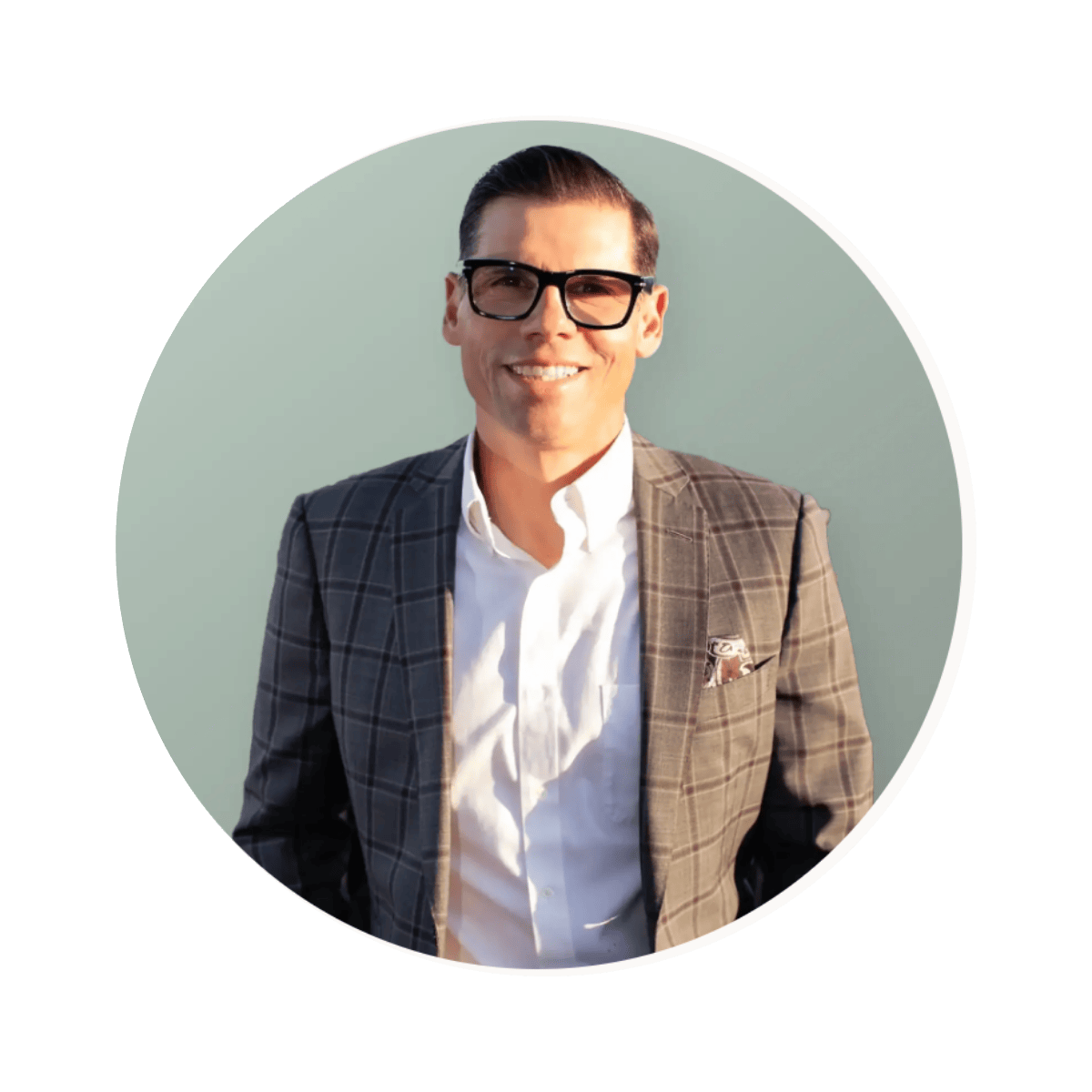
Marco Ramirez serves as the Program Director and Nurse at Nu Dai Wellness, bringing nearly two decades of diverse experience in the substance abuse and mental health fields. Marco has held every role from frontline support staff to Executive Director, providing him with a profound, 360-degree understanding of the recovery journey. His clinical approach integrates a strong medical foundation with a personal journey in recovery, allowing him to deliver ethical, evidence-based, and holistic care that honors the mind, body, and spirit. Under his leadership, Nu Dai Wellness provides a compassionate and clinical sanctuary designed to help individuals move beyond addiction and into a life of lasting hope.