Every September, National Recovery Month serves as a vital observance across the United States. Designed to raise public awareness around mental health and substance use disorders, celebrate the millions of Americans living in long-term recovery, and honor the dedicated clinical professionals who make healing possible, this annual focus emphasizes a crucial message: recovery is not merely a distant hope—it is an achievable reality when supported by evidence-based, compassionate care.
For many high-functioning professionals, executives, and individuals struggling with unmanageable drug or alcohol use, recognizing the need for help during National Recovery Month is a pivotal first step. However, taking that step often leads to a daunting question: what type of treatment environment offers the highest likelihood of lasting success?
While large institutional facilities have historically dominated the behavioral health landscape, a growing number of individuals are turning toward boutique residential rehab centers. At Nu Dai Wellness in Mission Viejo, California, boutique care represents a intentional shift away from mass-scale treatment models. By combining small-scale residential living with clinical precision, structured accountability, and physiological regulation, boutique rehab provides the deep, individualized foundation necessary for long-term recovery.
Understanding the True Purpose of National Recovery Month

National Recovery Month was established to educate communities, reduce societal stigma, and highlight modern clinical practices that transform lives. Historically, substance use disorders were misunderstood as moral failures or weaknesses of willpower. Today, medical science recognizes addiction as a complex, chronic brain condition characterized by altered neurochemistry, disrupted behavioral patterns, and deep nervous system dysregulation.
National Recovery Month provides an intentional space for individuals and families to evaluate their relationship with drugs or alcohol without judgment. It prompts essential self-reflection:
- Has substance use begun to compromise professional stability, personal relationships, or physical health?
- Have attempts to stop or moderate on your own resulted in repeated setbacks?
- Is stress, anxiety, or trauma driving an ongoing reliance on alcohol, prescription medications, or illicit substances?
When these questions reveal an unmanageable reality, National Recovery Month serves as an encouraging reminder that seeking professional treatment is a sign of strength and self-awareness.
Why Large Institutional Rehab Facilities Often Fall Short
When individuals begin researching residential addiction treatment, they frequently encounter large, institutional facilities housing dozens—or even hundreds—of patients at a single time. While these facilities serve a purpose in immediate acute stabilization, they often present significant drawbacks for those seeking profound personal transformation.
The Problem of “Blending In”
In high-capacity programs, it is remarkably easy for clients to blend into the background. High-functioning individuals and professionals, in particular, often possess advanced intellectualizing skills. In large group sessions, they can easily say the right things, pass through daily schedules passively, and avoid addressing the deep-seated emotional triggers driving their addiction. Without direct, personalized clinical engagement, the underlying root causes remain untouched.
One-Size-Fits-All Treatment Protocols
Large facilities typically rely on standardized, rigid schedules that treat every patient with the same generalized curriculum. However, addiction does not manifest identically in every person. A high-level executive navigating severe alcohol dependency alongside chronic burnout requires a vastly different therapeutic approach than an individual processing acute physical trauma alongside prescription medication misuse. Generic programming lacks the flexibility required for true clinical precision.
Overwhelming, High-Stress Environments
Navigating a crowded facility with high noise levels, constant peer turnover, and chaotic daily logistics can keep a client’s nervous system in a persistent fight-or-flight state. When the body feels unsafe or overwhelmed, the brain’s capacity to absorb therapeutic insights and develop new behavioral habits is significantly compromised.
The Boutique Advantage: Active, High-Accountability Care
Boutique residential rehab offers a distinct, high-touch alternative to traditional institutional care. At Nu Dai Wellness in South Orange County, boutique rehab is defined not merely by comfortable residential surroundings, but by purposeful scale, intense clinical depth, and an unwavering commitment to individual accountability.
Intentionally Limited Capacity
By maintaining a small residential footprint, boutique facilities ensure that every client is known personally by the entire clinical and support staff. Clients are not navigating an anonymous system; they are part of a tight-knit, structured recovery community where participation is expected, engagement is active, and progress is measurable.
Real-Time Clinical Adjustments
In a boutique setting, primary therapists and medical directors do not simply read client charts at the end of the week. They observe client interactions, emotional shifts, and stress responses in real time. If a therapeutic modality is not yielding breakthroughs, or if an unaddressed co-occurring condition emerges, the treatment plan is adjusted immediately to align with the client’s evolving needs.
Comprehensive Privacy and Discretion
For executives, business owners, and high-profile individuals, privacy concerns are often a major barrier to seeking treatment. Boutique rehab centers prioritize absolute discretion, offering a safe, highly private environment where professionals can step away from public life and focus entirely on healing without compromising their confidentiality.
The Nu Dai Wellness Philosophy: Clinical Precision Meets Nervous System Stabilization
Located in Mission Viejo, California, Nu Dai Wellness was built on the fundamental belief that recovery should restore more than simple sobriety—it should restore clarity, physical stability, and sustainable forward momentum. Under the clinical oversight of Dr. Alejandro Alva, Nu Dai combines rigorous evidence-based therapies with cutting-edge physiological regulation practices.
Integrated Evidence-Based Therapies
At Nu Dai Wellness, psychological healing is driven by coordinated, proven therapeutic modalities:
- Cognitive Behavioral Therapy (CBT): Identifying and restructuring the automatic negative thought patterns and behavioral triggers that lead to substance use.
- Dialectical Behavior Therapy (DBT): Developing advanced distress tolerance, emotional regulation skills, and interpersonal effectiveness.
- Motivational Enhancement Therapy (MET): Resolving ambivalence toward recovery and strengthening internal motivation for lasting lifestyle change.
- Trauma-Informed & Psychodynamic Therapy: Processing past emotional wounds, adverse life experiences, and family-of-origin dynamics that fuel chronic coping behaviors.
Physiological Recalibration and Regulation
Substance use severely impacts the body, leaving clients with disrupted sleep cycles, elevated baseline stress, and chronic nervous system exhaustion even after toxins leave the system. Nu Dai Wellness directly integrates regulation-based practices into daily care to restore biological balance:
- Cold Plunge Therapy: Controlled cold exposure protocols designed to reset autonomic nervous system response, lower systemic inflammation, and build mental resilience under acute physical stress.
- Infrared Sauna Protocols: Heat-based therapy that promotes deep cellular detoxification, relaxes muscle tension, and enhances stress tolerance.
- Structured Mindfulness & Guided Movement: Somatic strategies that calm an overactive amygdala, restore natural circadian rhythms, and foster body awareness.
Real-World Reintegration
True recovery cannot exist in permanent isolation. To ensure that progress translates into everyday life, clients at Nu Dai Wellness participate in structured off-site experiences. These real-world integration practices allow individuals to test their communication skills, emotional boundaries, and stress management in active social environments while retaining the immediate safety net of clinical support.
Frequently Asked Questions

What is the difference between a boutique rehab and a standard residential facility?
Boutique rehab centers operate with intentionally limited client capacity, allowing for significantly higher staff-to-client ratios, individualized attention, and real-time treatment adjustments. Unlike larger institutional facilities that rely on mass group sessions and standardized schedules, boutique programs deliver personalized, high-accountability care tailored to each client’s specific clinical, biological, and lifestyle needs.
Why is nervous system regulation so important in addiction recovery?
Chronic substance use keeps the autonomic nervous system locked in a state of hyper-vigilance or exhaustion. Even after detoxification, physical symptoms like sleep disruption, anxiety, and heightened stress persist. By incorporating regulation practices like cold plunge therapy, sauna protocols, and guided movement, clients restore physiological baseline stability, making emotional processing and relapse prevention significantly more effective.
How long does residential treatment last at Nu Dai Wellness?
While every care plan is individualized following a comprehensive clinical assessment, typical residential stays range from 30 to 90 days. This timeframe ensures sufficient duration for physical detox coordination, deep therapeutic processing, nervous system stabilization, and comprehensive real-world re-entry planning.
Is residential treatment at Nu Dai Wellness covered by health insurance?
Yes. Many health insurance policies provide coverage for residential addiction treatment and co-occurring mental health care. The admissions team at Nu Dai Wellness offers confidential benefit verification to help individuals and families understand their specific coverage, out-of-pocket costs, and financial options prior to admission.
If you or a loved one are ready to honor National Recovery Month by taking decisive action toward long-term sobriety, high-accountability support is waiting for you in Mission Viejo. Contact the admissions team at Nu Dai Wellness today by calling (949) 775-3487 or visiting nudaiwellness.com/about/ to verify your insurance coverage and begin your personalized journey toward lasting clarity and strength.
Reviewed by Marco Ramirez, LVN.
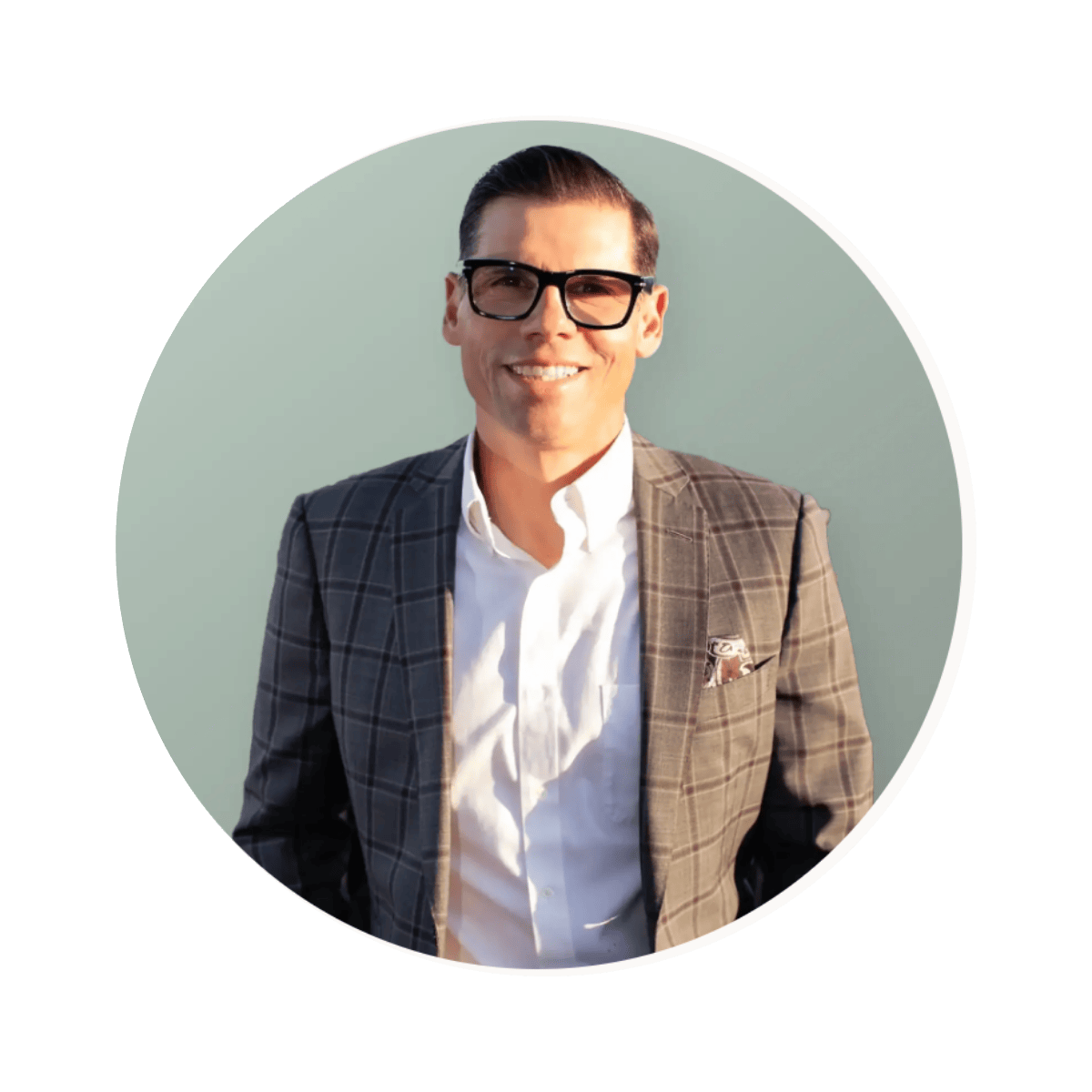
Marco Ramirez serves as the Program Director and Nurse at Nu Dai Wellness, bringing nearly two decades of diverse experience in the substance abuse and mental health fields. Marco has held every role from frontline support staff to Executive Director, providing him with a profound, 360-degree understanding of the recovery journey. His clinical approach integrates a strong medical foundation with a personal journey in recovery, allowing him to deliver ethical, evidence-based, and holistic care that honors the mind, body, and spirit. Under his leadership, Nu Dai Wellness provides a compassionate and clinical sanctuary designed to help individuals move beyond addiction and into a life of lasting hope.