When substance use begins to interfere with your health, career, or relationships, finding the right path forward becomes an urgent priority. For many individuals, a temporary step away from daily life into a live-in, immersive environment is essential to interrupt destructive behavioral loops. However, searching for an inpatient rehab in Orange County can quickly feel overwhelming. Southern California is widely recognized as a premier hub for behavioral healthcare, but a picturesque setting is merely a location. True, lasting recovery requires deep clinical intentionality, personal presence, and structured accountability.
Exceptional inpatient rehabilitation relies entirely on what happens inside the program. To ensure you or your loved one receives care that leads to measurable progress rather than temporary stabilization, it helps to understand what essential pillars, biological frameworks, and clinical standards define a high-caliber residential treatment center.
What Is Residential Addiction Treatment?

Residential treatment is a live-in level of care where clients participate in daily therapy, coordinated clinical programming, and structured behavioral planning within a supportive, highly stable environment. This level of care is specifically designed for individuals who need a stable setting to interrupt substance use patterns and rebuild internal regulation without facing daily external pressures and triggers.
A high-caliber inpatient program provides:
- A stable, trigger-reduced physical setting.
- Consistent clinical oversight and medical monitoring.
- An organized, productive daily schedule.
- Active peer accountability within a small community.
- Immersive therapeutic engagement that addresses both the mind and the body.
Key Criteria for Evaluating an Inpatient Rehab in Orange County
To distinguish a high-quality, evidence-based program from standard marketing fluff, families should evaluate facilities based on specific structural and clinical criteria.
A Focused, Boutique Capacity vs. Anonymous Institutional Wards
In larger, mass-capacity institutional rehab facilities, it is remarkably easy for a client to blend into the background, remain completely anonymous, or simply go through the motions of a rigid schedule. A small-scale, boutique environment ensures that clients are active, visible participants in their own recovery.
Purposefully limited capacity allows for direct therapist engagement, close observation of behavioral progress across multiple settings, and real-time treatment adjustments as a client’s recovery evolves. When a clinical team maintains a highly focused scale, they can offer true personal presence, ensuring that underlying manipulation or avoidance tactics are caught and addressed immediately.
Simultaneous Dual Diagnosis Care
Addiction rarely exists in isolation. Prolonged substance use often masks underlying, co-occurring mental health challenges like chronic anxiety, depression, undiagnosed trauma, or severe professional burnout. Treating a substance use disorder without simultaneously addressing these root causes is a primary driver of chronic relapse.
An exceptional inpatient rehab must feature integrated dual diagnosis care under qualified psychiatric medical direction. True recovery requires an individualized treatment blueprint that maps out how your mental health and substance history intersect, ensuring your emotional regulation and neurological stability are treated as an interconnected whole.
Active, Evidence-Based Psychotherapies Over Passive Concepts
Recovery requires more than passive awareness or informal, unguided peer discussions; it requires active, participatory clinical action. A premier inpatient model should be anchored in scientifically backed, evidence-based psychotherapies. A high-quality weekly schedule integrates advanced modalities tailored to complex recovery, including:
- Cognitive Behavioral Therapy (CBT): To help isolate, challenge, and restructure negative thought patterns and destructive behavioral habits.
- Dialectical Behavior Therapy (DBT): To develop practical distress tolerance skills, mindfulness, and healthy emotional control critical for sitting through intense cravings without reacting.
- Trauma-Informed Care & Psychodynamic Therapy: To safely process underlying emotional injuries, hyper-vigilance, and past trauma without triggering a nervous system overload.
- Motivational Enhancement Therapy (MET): To resolve ambivalence, break through heavy denial, and cultivate internal, self-directed motivation for long-term change.
The Biological Shift: Prioritizing Nervous System Regulation
Substance use profoundly disrupts your physical biology, altering how your brain and body handle stress. Long after an initial medical detox coordination is complete, symptoms like severe sleep disruption, racing thoughts, chronic physical tension, and emotional volatility often persist. This occurs because the autonomic nervous system remains stuck in a hyper-reactive, survival-driven “fight-or-flight” loop.
Without addressing this somatic panic, talk therapy alone is often ineffective because a patient cannot cognitively process healing while in a state of physical alarm. What sets a progressive residential program apart is a strategic focus on somatic and physiological recalibration. Exceptional facilities do not treat wellness practices as superficial luxuries or optional recreation.
Instead, they strategically integrate regulation-based practices—such as cold plunge therapy, structured contrast sauna protocols, and guided movement—to actively strengthen your stress resilience, lower systemic cortisol, and help your body rebuild its natural neurochemical balance. By physically training the nervous system to handle discomfort and drop back into a resting state, clients learn how to naturally self-soothe without reaching for a chemical modifier.
Family Involvement and Structured Support Systems

Substance use is a systemic disease that profoundly affects the entire family unit. True recovery cannot occur if a client heals in isolation only to return to a dysfunctional, highly stressed home environment. Therefore, a comprehensive inpatient rehab must actively integrate family involvement into the therapeutic process when clinically appropriate.
A structured family program should move far beyond simple visitation, offering a specialized curriculum that includes:
- Initial Outreach & Continuous Education: Educating parents, siblings, spouses, and children on the complex dynamics of addiction and recovery.
- Communication Training: Providing actionable guidance on how to eliminate enabling behaviors, establish healthy personal boundaries, and dismantle codependent patterns.
- Individualized Family Therapy: Conducting structured sessions tailored to the unique dynamics of the family system to repair broken communication lines and rebuild cross-generational trust before discharge.
Real-World Preparation vs. Absolute Isolation
A highly protective, isolated environment is incredibly valuable during the acute stages of stabilization, but true recovery must ultimately function outside the residential walls. The ultimate goal of an inpatient rehab should not be complete, permanent isolation from society, but practical preparation for re-entry.
High-caliber programs include structured, real-world reintegration planning, allowing clients to participate in managed off-site experiences. These outings give individuals a safe space to practice communication skills, emotional regulation, adaptability, and personal accountability in real-world environments before total discharge. By combining clinical depth with practical application, clients leave treatment equipped with tools that function reliably in everyday life.
Setting a Higher Standard at Nu Dai Wellness
If you are ready to step away from the noise and invest in a focused, clinically grounded recovery, Nu Dai Wellness provides a sophisticated standard for residential addiction treatment in Mission Viejo, California. Serving individuals throughout Orange County—including Irvine, Newport Beach, Laguna Niguel, and San Clemente—our Joint Commission-accredited program treats alcohol addiction, opioid dependence, stimulant use, and complex co-occurring dual diagnosis conditions.
Immersive, Boutique Care in a Community-Based Setting
At Nu Dai Wellness, residential care is delivered in a purposefully scaled, community-based environment. We intentionally limit our total capacity to ensure that every client receives active presence, consistent clinical engagement, and deep individualized attention. Clients are not navigating an anonymous institutional system; they are part of a structured recovery community where progress is measurable, participation is actively expected, and feedback is direct.
Frequently Asked Questions (FAQs)
How long does an inpatient residential treatment program last?
The length of a residential stay is highly individualized, varying based on a client’s specific substance history, physical health metrics, clinical needs, and active progress in therapy. Recommendations regarding the duration of care are made following a comprehensive, multidisciplinary clinical assessment conducted upon admission.
Do you treat both drug and alcohol addiction simultaneously?
Yes. Nu Dai Wellness provides comprehensive residential treatment for alcohol use disorders, opioid dependence, stimulant use, and a wide range of other chemical dependencies. Our clinical team is fully equipped to treat these substance use disorders alongside complex, co-occurring dual diagnosis mental health conditions.
Is residential treatment private and discreet?
Yes. Our small-scale, boutique setting in Mission Viejo allows for a much higher degree of discretion, privacy, and individualized attention compared to larger, institutional rehab facilities. We take immense care to protect the personal privacy and professional standing of every client we serve.
What kind of family involvement do you offer?
When clinically appropriate, family education and specialized therapy are fully integrated into our treatment planning. This includes weekly educational sessions regarding addiction dynamics, boundary-setting workshops, and individual family therapy sessions tailored to heal your unique relationship dynamics.
What happens after a client completes residential treatment?
Meticulous discharge and continuing care planning begin early in the residential stay. Upon completion, clients receive a comprehensive aftercare blueprint that includes continuing care recommendations, relapse prevention strategies, and real-world reintegration planning to support long-term stability beyond discharge.
Rebuild Your Direction Today
You do not have to live your life trapped in a hyper-vigilant survival loop, and your family does not have to navigate the complexities of addiction alone. At Nu Dai Wellness, we view recovery as strength regained, not simply substances removed—equipping you with the real-world skills, emotional resilience, and lasting stability needed to move forward into a meaningful new life.
Take the first step toward reclaiming clarity and forward momentum today. Contact the admissions team at Nu Dai Wellness for a completely confidential professional assessment, or fill out our secure online form to verify your commercial PPO insurance benefits immediately.
Reviewed by Marco Ramirez, LVN.
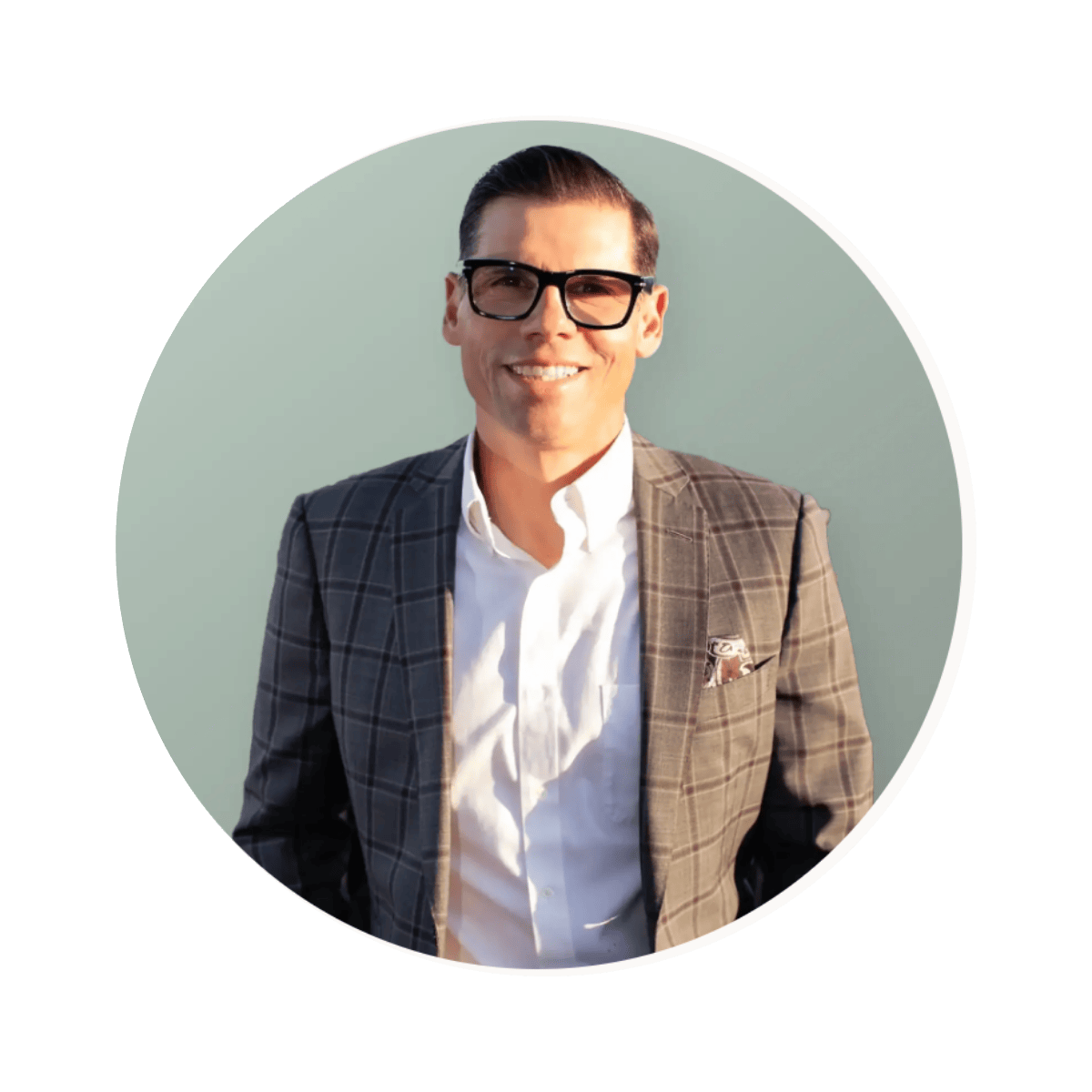
Marco Ramirez serves as the Program Director and Nurse at Nu Dai Wellness, bringing nearly two decades of diverse experience in the substance abuse and mental health fields. Marco has held every role from frontline support staff to Executive Director, providing him with a profound, 360-degree understanding of the recovery journey. His clinical approach integrates a strong medical foundation with a personal journey in recovery, allowing him to deliver ethical, evidence-based, and holistic care that honors the mind, body, and spirit. Under his leadership, Nu Dai Wellness provides a compassionate and clinical sanctuary designed to help individuals move beyond addiction and into a life of lasting hope.