When mental health challenges like chronic anxiety, deep depression, severe post-traumatic stress disorder (PTSD), or obsessive-compulsive disorder (OCD) co-occur with a substance use disorder, the resulting intersection can feel like an inescapable maze. For decades, traditional rehabilitation systems separated these conditions. A person was told to address their addiction first, or conversely, that their psychiatric symptoms must stabilize before they could seek sobriety.
This fragmented approach is a severe clinical mismatch. Treating a substance use disorder while ignoring an underlying psychiatric condition—or treating depression while a chemical dependency continues to alter brain chemistry—leaves old, reactive behavioral loops fully intact. It forces individuals into an frustrating cycle of temporary stabilization and rapid relapse.
True, measurable recovery requires a fully integrated approach that addresses both conditions simultaneously. If you or a loved one are exploring options for Dual Diagnosis Treatment in Orange County, understanding what a comprehensive, evidence-based residential program looks like can replace fear with clarity.
At Nu Dai Wellness in Mission Viejo, California, we reject the institutional, one-size-fits-all model of behavioral healthcare. Operating an intentionally small-by-design, boutique residential community, we focus on the whole person. Our clinical philosophy combines advanced psychiatric medicine, trauma-informed behavioral therapies, and physiological nervous system regulation to help you break free from survival mode and build a self-directed life of lasting stability.
What Is Dual Diagnosis? Co-Occurring Disorders Explained

Treating the whole person means recognizing that addiction rarely exists in isolation. A dual diagnosis, which is also frequently referred to as a co-occurring disorder, occurs when an individual experiences both a substance use disorder and at least one mental health condition at the exact same time.
These two conditions do not merely sit side-by-side; they actively interact, feed into, and amplify one another. This cyclical reinforcement is why treating only one condition rarely produces lasting, sustainable results.
At Nu Dai Wellness, co-occurring mental health conditions are never treated as secondary or tertiary issues. They are integrated directly into your clinical treatment plan from day one, allowing our multi-disciplinary team to address the full picture of what is driving substance use and what must shift for sustainable recovery to take hold.
Co-Occurring Disorders: The Structural Realities
To understand why specialized, parallel care is so critical, look at the recent statistical data surrounding behavioral health intersections in the United States:
- According to data from the National Institute on Drug Abuse (NIDA), approximately many adults living with an established mental health disorder also navigate a co-occurring substance use disorder.
- The Substance Abuse and Mental Health Services Administration (SAMHSA) reports that an estimated 21.2 million adults in the U.S. presented with a co-occurring mental illness and substance use disorder.
When an individual receives sequential treatment—meaning they go to an addiction rehab first and a mental health counselor months later—the underlying drivers of their use remain unaddressed. Integrated care closes this dangerous gap.
The Parallel Struggle: Defining Co-Occurring Disorders
Every co-occurring condition is meticulously assessed and integrated directly into a unified, individualized treatment plan from your very point of admission at our Mission Viejo facility. Understanding how specific mental health conditions interact with chemical dependencies helps clarify the trajectory of your care.
Depression and Anxiety
Depression and generalized anxiety disorders are among the most common co-occurring conditions identified in addiction treatment. In many cases, substance use begins as a form of desperate self-medication to cope with a persistent low mood, paralyzing worry, or recurring panic attacks.
While alcohol or central nervous system depressants may provide a brief window of relief, their chemical aftermath depletes the brain of natural serotonin and dopamine. This neurochemical crash intensifies your baseline anxiety and deepens depressive phases, creating a self-destructive cycle that requires integrated clinical intervention to break. Treatment addresses both the mood disorder and the substance use pattern within a single, highly coordinated plan.
PTSD and Trauma
Unresolved emotional or physical trauma is one of the most significant and profound drivers of substance use disorders. Individuals living with Post-Traumatic Stress Disorder (PTSD) frequently use illicit drugs, alcohol, or prescription medications to manually suppress intrusive memories, manage painful flashbacks, quiet severe hypervigilance, or achieve a temporary state of emotional numbness.
Our trauma-informed approach directly addresses the neurological and emotional roots of these deep trauma responses alongside the behavioral patterns of your addiction, ensuring you do not have to rely on chemicals to feel safe in your own body.
Bipolar Disorder
Bipolar disorder and substance use disorder co-occur at significantly elevated rates within the general population. The manic or hypomanic phases of bipolar disorder can impair executive functioning, driving highly impulsive, high-risk substance use.
Conversely, the intense depressive phases often lead to self-medication to escape emotional despair. Managing both conditions simultaneously requires careful clinical coordination, diagnostic safety, and psychodynamic therapies that account for complex mood cycling patterns throughout your entire residency.
ADHD (Attention-Deficit/Hyperactivity Disorder)
ADHD is frequently associated with substance misuse, particularly involving central nervous system stimulants, nicotine, and cannabis. Individuals living with ADHD may use illicit or unprescribed substances as a functional tool to manage chronic restlessness, counter internal impulsivity, or combat severe difficulty sustaining executive focus.
Our integrated treatment identifies the specific functional role substances have been playing in your daily life, providing structured behavioral alternatives and clinical regulation strategies that support mental focus without the need for substance misuse.
7 Reasons Integrated Dual Diagnosis Treatment Leads to Better Outcomes

Choosing an integrated clinical model over traditional, fragmented addiction treatment yields measurably superior clinical outcomes. Simultaneous treatment provides several distinct structural benefits:
- 01 | Addresses Root Causes: Treating only the substance use without addressing the underlying mental health condition leaves the primary driver of use unresolved, significantly increasing your long-term relapse risk.
- 02 | Reduces Relapse Risk: Integrated treatment produces measurably lower relapse rates because both the behavioral and psychiatric dimensions of co-occurring disorders are addressed concurrently.
- 03 | Improves Emotional Regulation: Therapies like DBT and trauma-informed care build the core emotional regulation skills that mental health disorders often compromise, providing lasting, sustainable tools for internal stability.
- 04 | Creates a Unified Plan: A single, coordinated treatment plan ensures that clinical decisions around one condition directly account for the other—producing more precise, effective care throughout your stay.
- 05 | Supports Long-Term Stability: Clients leave treatment with comprehensive, practical skills for managing both their mental health and their long-term sobriety, dramatically reducing the likelihood of future psychiatric hospitalizations or relapse episodes.
- 06 | Consistent Clinical Oversight: Our boutique residential model ensures daily professional monitoring and real-time treatment adjustments—which is absolutely critical when both a psychiatric and substance use condition require active, concurrent management.
- 07 | Better Quality of Life: Peer-reviewed behavioral health research consistently shows that individuals who receive simultaneous treatment for co-occurring disorders report significantly higher long-term quality of life metrics than those who receive separated or sequential treatment.
Evidence-Based Therapies Integrated Into Dual Diagnosis Care
Effective dual diagnosis care requires a coordinated combination of clinical therapies, selected and sequenced based on each client’s specific clinical profile. At Nu Dai Wellness, these modalities are woven strategically into your weekly schedule, rather than applied as surface-level additions.
Cognitive Behavioral Therapy (CBT)
CBT serves as a foundational pillar of our clinical model. It helps clients identify and actively restructure the automatic, distorted thought patterns driving both their mental health symptoms and their addictive behaviors. By transforming negative self-talk and core beliefs, clients learn to change their behavioral responses to stress.
Dialectical Behavior Therapy (DBT)
DBT is essential for managing co-occurring mood disorders and erratic emotional spikes. It focuses on building practical, real-world skills across four core areas: mindfulness, emotional regulation, distress tolerance, and interpersonal effectiveness.
Trauma-Informed Therapy
This modality explicitly addresses the long-term neurological impact of trauma. It treats trauma not merely as a memory, but as a physical and neurological condition that alters how your brain scans for danger, helping to process PTSD symptoms alongside substance use patterns.
Motivational Enhancement Therapy (MET)
MET is highly effective at strengthening your internal, intrinsic motivation for change. This is particularly critical when deep ambivalence, low energy, or hopelessness is being actively fueled by a co-occurring condition like depression.
Psychodynamic Therapy
This approach explores your unconscious emotional patterns, early childhood attachments, and deep relational dynamics. By bringing these hidden drivers into conscious awareness, you can understand how they contribute to both your mental health challenges and your current addictive behaviors.
Individual & Group Therapy
One-on-one sessions provide a private, emotionally secure space to process the intricate intersection of your mental health and substance use under consistent, expert clinical guidance. Parallel to this, structured group therapy peer engagement builds social accountability, reduces isolation, and reinforces the coping skills learned in individual sessions.
Physiological Nervous System Regulation
True recovery cannot occur solely through talk therapy. Prolonged substance misuse and psychiatric distress leave the autonomic nervous system trapped in a chronic, hyper-elevated “fight-or-flight” survival state.
To achieve true biological stabilization alongside psychiatric treatment, Nu Dai Wellness integrates dedicated physiological regulation practices into our residential lifestyle:
- Deliberate Cold Plunge Therapy: Under clinical guidance, encountering cold water serves as a controlled stressor, training the brain to down-regulate the nervous system under sudden pressure and expanding your real-world distress tolerance.
- Structured Sauna Protocols: Utilizing heat therapy to promote cardiovascular circulation, lower muscular tension, and lower systemic cortisol levels.
- Guided Somatic Movement and Meditation: Teaching the body to release stored trauma responses, stimulate the vagus nerve, and experience a genuine state of physical safety.
Real-World Preparation & Deeper Personalization
Recovery must function outside the protected walls of a residential setting. Clients at Nu Dai Wellness participate in highly structured off-site experiential experiences designed to reinforce communication skills, emotional regulation, adaptability, and personal accountability in real-world environments. Our goal is not total isolation from life; it is comprehensive preparation for re-entry with stability and confidence.
For clients seeking deeper, specialized personalization, Nu Dai Wellness offers optional clinical enhancement services available at an additional cost based on your unique goals:
- Peptide Therapy
- Genetic Testing
- The Abstract to Reality Program: An advanced, optional enhancement service designed to help clients bridge the gap between abstract therapeutic concepts discussed in an office and the practical execution of those behavioral boundaries in daily life.
Is This the Right Level of Care? Signs You May Need Dual Diagnosis Treatment
Co-occurring disorders are frequently undiagnosed or misdiagnosed by general practitioners. The following signs may indicate that both a substance use disorder and a mental health condition are present and require integrated care in Mission Viejo:
- Your substance use initially began as a conscious or unconscious way to manage your mood, calm anxiety, or numb severe emotional pain.
- Distressing symptoms of depression, generalized anxiety, or mood instability persist consistently even during extended periods without substance use.
- Past psychological trauma is present in your history and has never been safely addressed in a professional clinical setting.
- Previous rehabilitation attempts addressed only the addiction or physical detox without providing a comprehensive psychiatric evaluation.
- You experience extreme difficulty regulating your daily emotions, managing behavioral impulsivity, or maintaining necessary attention at work or school.
- Relapse patterns continuously return despite your genuine, deep motivation to maintain your sobriety change.
- Substances are used primarily as a functional tool to fall asleep, quiet physical panic attacks, or block intrusive, looping thoughts.
- Your immediate family history includes a known baseline of both mental illness and substance use disorders.
A Focused Residential Model in South Orange County
The physical environment of Nu Dai Wellness balances high-level clinical precision with an intentional, supportive community. Located in a private, serene residential setting in Mission Viejo, California, our home is structured to feel like a high-functioning, purposeful environment rather than a cold, institutional ward.
With a strictly limited client census and consistent staff engagement, every individual receives direct clinical attention throughout their stay. Furthermore, our clinical intake and diagnostic programming are medically reviewed by renowned psychiatrist Dr. Alejandro Alva, ensuring total accuracy, safety, and excellence throughout your stabilization process.
For individuals who require physical stabilization or medical withdrawal management prior to entering our residential dual diagnosis tracks, Nu Dai Wellness provides seamless, highly professional medical detox coordination with leading local physicians to ensure your physical transition is completely safe and physically comfortable.
Frequently Asked Questions
What is the difference between a standard rehab and dual diagnosis treatment?
A standard rehab program focuses almost exclusively on the cessation of drug or alcohol use and basic relapse prevention strategies. A dual diagnosis program recognizes that substance use is frequently a secondary symptom of an unmanaged mental health condition. Therefore, it treats both the chemical dependency and the psychiatric disorder (such as anxiety, depression, or PTSD) simultaneously, using integrated therapies and specialized medical oversight.
Why is nervous system regulation so important for mental health and addiction?
When an individual experiences long-term trauma or substance abuse, their autonomic nervous system becomes dysregulated, remaining locked in a permanent “fight-or-flight” survival state. This physical state causes intense anxiety, insomnia, irritability, and physical cravings. By utilizing somatic therapies like cold plunges, saunas, and breathwork, we train the brain and body to return to a balanced state of calm safety, lowering the automatic urge to self-medicate.
What is the role of Dr. Alejandro Alva at Nu Dai Wellness?
Dr. Alejandro Alva is a highly respected, Board-certified psychiatrist in Southern California who medically reviews the clinical programming and diagnostic protocols at Nu Dai Wellness. His extensive expertise ensures that our clients receive completely accurate psychiatric diagnoses, highly precise medication management if needed, and gold-standard, evidence-based co-occurring disorder care.
How long does a typical residential dual diagnosis stay last?
While length of stay varies based on an individual’s unique clinical presentation, diagnostic complexity, and insurance coverage boundaries, a comprehensive residential treatment stay typically ranges from 30 to 90 days. This timeline provides adequate space to safely detox, unearth the core root causes of psychiatric distress, rewire behavioral habits, and practice real-world transition skills.
Does Nu Dai Wellness accept private health insurance?
Yes. Nu Dai Wellness works directly with most major private commercial PPO insurance policies to help clients access our residential programming. Our intake specialists provide a completely free, confidential verification of benefits to review your insurance coverage and outline your financial options clearly before your arrival.
Take a Deliberate Step Toward Sustainable Stability
Living with a dual diagnosis can make you feel entirely isolated, as though you are constantly fighting an internal war against your own mind and body. But your past choices and patterns do not have to dictate your future. True, lasting psychiatric stability and freedom from substance use are completely possible when you are supported by the right clinical framework and an authentic, high-accountability community.
At Nu Dai Wellness, we are dedicated to helping you step out of survival mode and into a life filled with purpose, clarity, and structural balance. Real recovery requires deliberate action, not just awareness.
If you or a loved one are ready to explore premier, boutique Dual Diagnosis Treatment in Orange County, please reach out to our compassionate admissions team today.
Reviewed by Marco Ramirez, LVN.
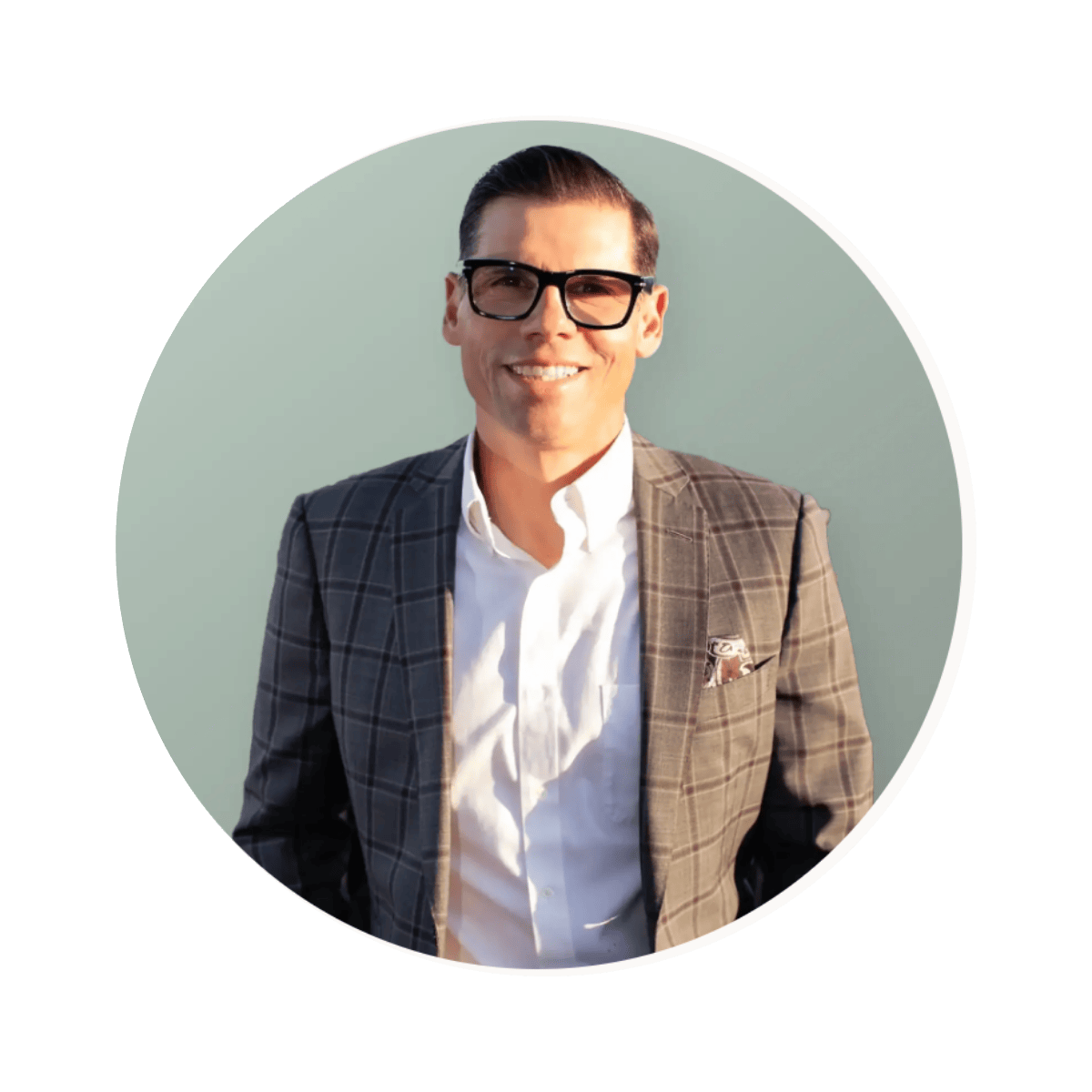
Marco Ramirez serves as the Program Director and Nurse at Nu Dai Wellness, bringing nearly two decades of diverse experience in the substance abuse and mental health fields. Marco has held every role from frontline support staff to Executive Director, providing him with a profound, 360-degree understanding of the recovery journey. His clinical approach integrates a strong medical foundation with a personal journey in recovery, allowing him to deliver ethical, evidence-based, and holistic care that honors the mind, body, and spirit. Under his leadership, Nu Dai Wellness provides a compassionate and clinical sanctuary designed to help individuals move beyond addiction and into a life of lasting hope.
Take the first step toward healing your home and restoring lasting stability today. If you are ready to explore the highest standard of addiction treatment in Orange County, our compassionate clinical team is here to guide you through every stage of the recovery journey. Contact the admissions team at Nu Dai Wellness for a completely confidential professional assessment.