Cold plunges have gone mainstream. Athletes swear by them, wellness influencers film them, and gyms are installing ice baths next to the treadmills. So it’s fair to be skeptical when a rehab program lists cold plunge therapy alongside CBT and DBT. Addiction is a serious, sometimes life-threatening condition. Can sitting in cold water really make a difference?
So can a cold plunge actually help with something as serious as addiction recovery? Yes, as a supporting tool, not a cure. When used in a clinically supervised setting, cold plunge and sauna therapy can help people in recovery calm an overactive stress response, practice staying steady through discomfort, regulate emotions, and experience a natural lift in mood without substances. Those benefits matter because stress and emotional overwhelm are among the biggest drivers of relapse. But cold exposure works best when it’s integrated into evidence-based addiction treatment that includes therapy, medical care, and relapse prevention.
This guide explains what happens in the body during a cold plunge or sauna session, what clinicians actually see in clients, where the limits are, and how Nu Dai Wellness uses this therapy in its residential program in Mission Viejo.
What Happens in the Body During a Cold Plunge or Sauna Session?
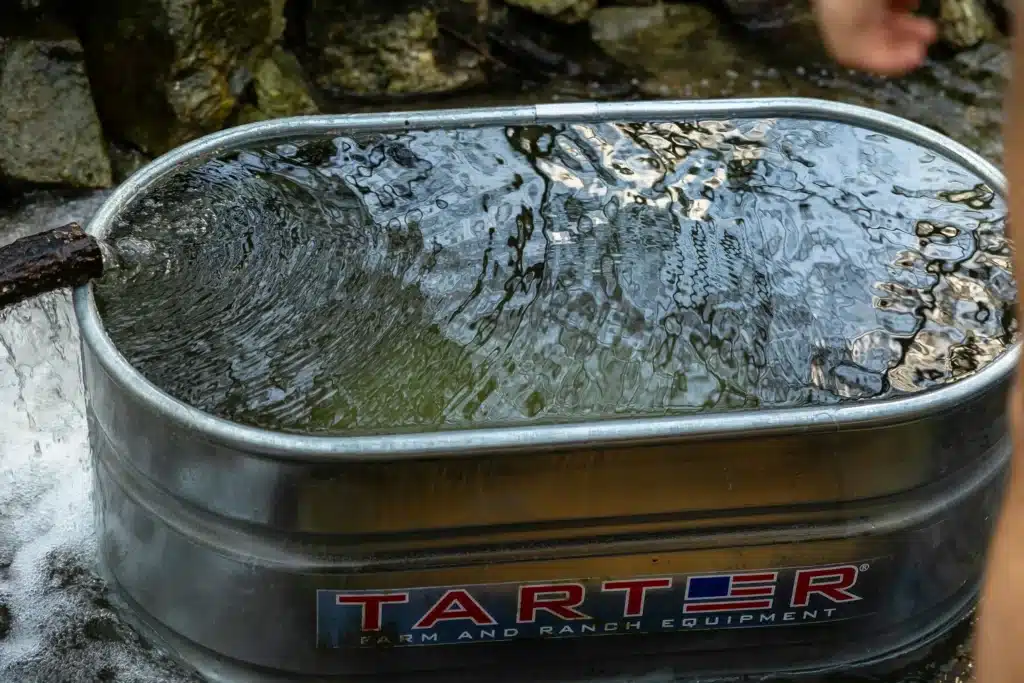
Substance use disrupts the body’s stress response system. Over time, many people in early recovery feel stuck in a state of high alert: anxious, irritable, restless, and quick to react. Cold and heat exposure work directly on that system.
The Cold Plunge Response
Stepping into cold water triggers an immediate shock response. Breathing speeds up, heart rate rises, and the sympathetic nervous system (the “fight or flight” system) switches on. Within a minute or two, if a person practices slow, controlled breathing, the body begins to adapt and the panic subsides.
Cold exposure also produces measurable chemical changes. In a frequently cited study in the European Journal of Applied Physiology, men who sat in 14°C (about 57°F) water for an hour showed a 530% rise in plasma noradrenaline and a 250% rise in plasma dopamine, without an increase in cortisol. Those numbers come from a long, intense exposure and reflect levels in the blood rather than the brain, so they shouldn’t be overstated. Still, they help explain why many people describe feeling alert, energized, and in a better mood after a plunge.
The Sauna Response
Heat works differently. A sauna raises body temperature, increases circulation, and is often followed by a deep sense of relaxation as the body cools. Research on heat and mood is still early, but a small randomized clinical trial published in JAMA Psychiatry found that a single session of whole-body hyperthermia reduced depressive symptoms compared to a sham treatment. Because depression and addiction so often occur together, that line of research is worth watching.
Why Alternating Cold and Heat Matters
Moving between cold and heat, often called contrast therapy, asks the nervous system to shift between activation and relaxation in a controlled way. That repeated practice of getting stressed and then calming down is exactly the skill many people in recovery are trying to rebuild.
How Can a Cold Plunge Support Addiction Recovery?
The value of cold plunge therapy in recovery isn’t the cold itself. It’s what people learn about themselves while they’re in it. We asked the Nu Dai Wellness clinical team what they actually see happen in a client’s body or mood after a cold plunge or sauna session.
It Builds Stress Tolerance
Cravings, conflict, and difficult emotions all create discomfort. For many people, substances became the fastest way to escape it. A cold plunge offers a safe, controlled dose of discomfort and a chance to practice staying with it.
“Clients build stress tolerance and emotional regulation.”
— Mercy Gordon, ACSW, Primary Therapist
This mirrors the distress tolerance skills taught in dialectical behavior therapy (DBT). Clients learn the skill in a therapy session, then practice it physically in the water.
It Helps Regulate Emotions and Calm the Body
Early recovery can feel like an emotional rollercoaster. Cold and heat exposure followed by rest helps the nervous system settle, and many clients leave sessions noticeably calmer.
“Clients are more relaxed, emotions are more regulated, and physically energized.”
— Heather Fyock, SUDCC, Case Manager
It Lowers Anxiety and Creates a Natural Lift
One of the most powerful moments in recovery is discovering that you can feel good without a substance. For some clients, a cold plunge provides that experience.
“Clients’ anxiety and stress decrease, sometimes with a natural high or good feeling post-session that carries them through the day, and an ability to work on breathing and see that they can push through uncomfortable scenarios.”
— Marco Ramirez, LVN, Program Director and Nurse
It Teaches Breath Control
The instinct in cold water is to gasp and hold your breath. Learning to slow the breath on purpose gives clients a portable tool they can use anywhere, whether they’re facing a craving, a hard conversation, or a moment of panic.
It Builds Confidence and Discipline
Every successful session is proof that you can choose to do something hard and come through it. For people whose addiction convinced them they had no self-control, that small daily win can rebuild trust in themselves.
What Can’t a Cold Plunge Do in Addiction Recovery?
It’s important to be honest about the limits. A cold plunge is a helpful tool, but it isn’t a treatment for addiction on its own.
It Doesn’t Replace Detox, Therapy, or Medical Care
Cold exposure won’t safely manage withdrawal from alcohol, benzodiazepines, or opioids. People who are physically dependent need medically supervised detox first. Cold plunges also don’t address the trauma, mental health conditions, relationships, and patterns that drive substance use. That work happens in evidence-based therapy, and for many people, in dual diagnosis treatment that treats co-occurring anxiety, depression, or PTSD at the same time.
It Shouldn’t Become a Replacement Compulsion
Some people in recovery are drawn to intense experiences. If cold exposure turns into a contest of who can stay in longest, it stops being therapeutic. Clinically guided programs keep the focus on regulation and awareness, not endurance.
Is Cold Plunge Therapy Safe for Everyone?
No. Sudden cold exposure strains the heart and can be dangerous for people with heart disease, high blood pressure, Raynaud’s syndrome, certain respiratory conditions, or those who are pregnant. People in early withdrawal or with recent substance use may also have unstable heart rate or blood pressure. That’s why participation should always be screened and supervised by trained staff, with gradual exposure and close monitoring. Trying extreme cold exposure alone at home, especially in early recovery, isn’t recommended.
Cold Plunge & Sauna Therapy at Nu Dai Wellness in Mission Viejo
At Nu Dai Wellness, Cold Plunge & Sauna Therapy is a structured, regulation-based modality built into the boutique residential addiction treatment program in Mission Viejo. It’s used intentionally as a clinical tool to support nervous system stabilization and stress tolerance, not as a spa amenity.
How Sessions Are Structured
Sessions are supervised and coordinated with each client’s overall treatment plan. A session may include:
- Guided breathwork to prepare the body and mind
- Controlled cold exposure intervals
- Structured sauna recovery phases
- Emotional regulation coaching
- Post-session reflection to connect the experience to recovery goals
Exposure is gradual and intentional. The goal is building stress tolerance and physiological control, not competing for the longest plunge.
Integrated With Evidence-Based Therapy
Cold plunge and sauna therapy at Nu Dai Wellness reinforce DBT distress tolerance skills, physical wellness programming, and trauma-informed regulation strategies. Skills clients learn in therapy are practiced in the body, strengthening both mental and physical resilience. These sessions run alongside CBT, individual and group therapy, and the rest of each client’s clinical care.
Small Program, Close Supervision
Because Nu Dai Wellness is intentionally small, clinicians monitor each client’s tolerance and make sure participation is safe and appropriate. Every client is evaluated before taking part.
Who Benefits Most?
Cold plunge and sauna therapy may be especially helpful for people who experience high stress reactivity, struggle with emotional overwhelm, need structured practice with distress tolerance, respond well to body-based regulation techniques, or want to build mental resilience as part of their recovery.
Frequently Asked Questions About Cold Plunge Therapy and Addiction Recovery
Can a cold plunge help with cravings?
A cold plunge can help some people ride out cravings by shifting attention, calming the stress response, and creating a natural lift in mood. It works best as one coping tool among many, alongside therapy, medication when appropriate, and relapse prevention skills.
Does cold water increase dopamine?
Research has found that cold water immersion can raise blood levels of dopamine and noradrenaline. In one study, an hour in 14°C water increased plasma dopamine by 250%. These findings help explain the alert, uplifted feeling many people report, though more research is needed on how this affects addiction recovery specifically.
How long should a cold plunge last?
In clinical settings, cold exposure is usually brief and gradual, often starting at under a minute and increasing slowly as tolerance builds. Length should always be guided by trained staff based on each person’s health and comfort.
Is a sauna good for addiction recovery?
Sauna sessions can promote relaxation, improve circulation, and support better sleep. Early research also suggests heat therapy may help reduce depressive symptoms. In recovery, sauna works best when paired with cold exposure and therapy to build emotional regulation.
Is cold plunge therapy safe during detox?
Cold plunge therapy generally isn’t appropriate during acute withdrawal, when heart rate and blood pressure can be unstable. Clients are evaluated by clinical staff before participating.
Can cold plunge therapy replace traditional addiction treatment?
No. Cold plunge and sauna therapy are complementary practices. Lasting recovery depends on evidence-based treatment such as CBT, DBT, trauma-informed therapy, and medical care.
Who should avoid cold plunges?
People with heart conditions, uncontrolled high blood pressure, Raynaud’s syndrome, certain respiratory conditions, or who are pregnant should avoid cold plunges unless cleared by a doctor.
Build Resilience That Lasts Beyond Treatment
Recovery is about learning to handle life’s discomfort without reaching for a substance, and the right tools can make that skill feel possible. Contact Nu Dai Wellness today to learn how our boutique residential program in Mission Viejo combines evidence-based therapy with cold plunge and sauna therapy to help you heal in body and mind.
Reviewed by Marco Ramirez, LVN.

Marco Ramirez serves as the Program Director and Nurse at Nu Dai Wellness, bringing nearly two decades of diverse experience in the substance abuse and mental health fields. Marco has held every role from frontline support staff to Executive Director, providing him with a profound, 360-degree understanding of the recovery journey. His clinical approach integrates a strong medical foundation with a personal journey in recovery, allowing him to deliver ethical, evidence-based, and holistic care that honors the mind, body, and spirit. Under his leadership, Nu Dai Wellness provides a compassionate and clinical sanctuary designed to help individuals move beyond addiction and into a life of lasting hope.