When an individual is locked in a continuous battle with substance abuse, it is rarely just an isolated struggle with chemical dependency. For a vast majority of adults, an addiction to alcohol, prescription medications, or street drugs is deeply intertwined with a hidden, unaddressed psychological challenge.
Unfortunately, standard rehabilitation frameworks frequently separate these conditions. They might treat the physical addiction as the primary issue while entirely ignoring underlying psychiatric distress—or vice versa. This fractured approach leaves the true drivers of the behavior untouched, trapping families in a painful cycle of temporary sobriety followed by rapid relapse.
True, sustainable healing requires a unified, simultaneous strategy. At Nu Dai Wellness, located in a private, boutique residential setting in South Orange County, we understand that mental health challenges and chemical dependencies are two sides of the exact same root.
As a premier, Joint Commission-accredited behavioral health center, our dedicated approach to Co-Occurring Disorders Treatment in Mission Viejo provides a single, fully integrated residential program that heals the mind, body, and spirit concurrently.
What is a Co-Occurring Disorder?

In modern behavioral healthcare, the terms “co-occurring disorder” and “dual diagnosis” describe the exact same clinical reality: the simultaneous presence of a substance use disorder and at least one mental health condition within the same individual.
When these conditions coexist, they do not function independently. Instead, they interact dynamically, creating a complex clinical loop where each condition feeds, triggers, and amplifies the other. For example, the crushing weight of clinical depression can drive an individual to misuse central nervous system stimulants like cocaine or prescription ADHD medications to experience a temporary surge of energy or artificial joy. However, when the chemical effects wear off, the neurological “crash” plunges the individual into a deeper, darker depressive state, intensifying the obsessive drive to use the substance again.
The sheer scale of this national health crisis is reflected in the most recent data compiled by the National Institute on Drug Abuse (NIDA) and the Substance Abuse and Mental Health Services Administration (SAMHSA):
- 35% of All Adults struggling with an underlying mental health disorder also meet the medical criteria for a co-occurring substance use disorder.
- 21.2 Million Adults across the United States actively lived with a co-occurring mental illness and substance use disorder.
- Less Than 10% of those adults ever receive comprehensive, integrated treatment for both conditions simultaneously.
This staggering treatment gap explains why traditional recovery can feel like an uphill battle. When less than ten percent of people are given access to true integrated care, they are essentially being asked to white-knuckle their sobriety while their brain is still actively misfiring from untreated anxiety, unmanaged panic, or unresolved trauma.
Substance Abuse as a Subconscious Survival Mechanism
At Nu Dai Wellness, we completely reject the outdated, judgmental narrative that addiction is a moral failing or a lack of personal discipline. When viewed through a modern neurobiological lens, substance misuse is almost always discovered to be an aggressive, desperate survival mechanism. It is a subconscious attempt to self-medicate an unregulated, hyper-stimulated, or completely overwhelmed internal state.
When an individual lacks the clinical support or emotional coping mechanisms needed to regulate their mood, drugs and alcohol become an artificial chemical buffer to survive the day. Consider how distinct mental health conditions serve as direct catalysts for specific substance use patterns:
Depression and Generalized Anxiety
Living with a perpetual low mood, intrusive worry, or unpredictable panic attacks is physically exhausting. Many high-functioning adults turn to alcohol, prescription painkillers, or sedatives to forcibly slow down their racing thoughts or numb their emotional pain. Over time, however, these substances actively deplete the brain’s natural serotonin and GABA reserves, leaving the individual dealing with significantly heightened baseline anxiety and lower moods when sober.
PTSD and Unresolved Trauma
Deep-seated, unresolved trauma is arguably the single most common driver of chemical dependency observed in residential care. Individuals carrying the weight of Post-Traumatic Stress Disorder (PTSD) live in a state of chronic autonomic hypervigilance—their nervous system is stuck in an emergency “fight-or-flight” response, screaming that they are in immediate danger. They frequently turn to central nervous system depressants, opioids, or heavy alcohol use to paralyze their overactive startle response, block intrusive flashbacks, or achieve a temporary state of emotional numbness.
Bipolar Disorder
Bipolar disorder and substance use disorders co-occur at exceptionally high rates. The intense, unpredictable swings between manic and depressive phases create profound neurochemical vulnerabilities. During a manic episode, a client’s impulse control is severely compromised, frequently leading to high-risk, chaotic substance use. When the pendulum swings back into a severe depressive valley, the individual often uses substances heavily to survive the emotional drop, requiring careful, highly synchronized psychiatric stabilization that respects these natural mood cycles.
ADHD and Executive Dysfunction
Attention Deficit Hyperactivity Disorder (ADHD) is frequently associated with the misuse of stimulants and cannabis. When an individual struggles with continuous internal restlessness, chronic under-stimulation, and executive dysfunction, they may unconsciously use substances to artificially focus their mind or quiet the baseline noise in their head. Our integrated model identifies the exact functional role these substances have been playing, providing structured behavioral and clinical alternatives that support regulation without the use of toxic chemicals.
7 Reasons Integrated Treatment Leads to Better Recovery Outcomes
True Co-Occurring Disorders Treatment in Mission Viejo does not mean you see an addiction counselor in one building and an outside psychiatrist in another. It means both dimensions of your health are merged into a single, coordinated clinical strategy from day one. Choosing an integrated residential program provides seven clear advantages that directly support long-term, sustainable stability:
- Addresses the Real Root Causes: By treating the underlying psychiatric condition alongside the addiction, we resolve the primary emotional drivers of your substance use, ensuring you aren’t just treating the symptoms of your dependency.
- Measurably Reduces Relapse Risk: Clinical data proves that integrated care produces significantly lower relapse rates because the behavioral, biological, and psychiatric dimensions of co-occurring disorders are addressed concurrently.
- Improves Emotional Regulation: Specialized psychotherapies directly rebuild the emotional regulation and distress-tolerance skills that mental health disorders compromise, handing you practical, real-world tools for long-term sobriety.
- Creates a Single, Unified Blueprint: A single, coordinated treatment plan ensures that all medical and clinical decisions around one condition account for the other—producing more precise, effective, and safe care throughout treatment.
- Supports Long-Term Stability: Clients leave our facility with a comprehensive skillset for managing both their ongoing mental health and their sobriety simultaneously, drastically reducing the likelihood of future hospitalization or relapse episodes.
- Guarantees Consistent Clinical Oversight: Our live-in residential model ensures daily monitoring and real-time treatment adjustments by licensed professionals—which is absolutely critical when both a psychiatric and substance use condition require active management.
- Delivers a Better Quality of Life: Independent research consistently shows that individuals who receive simultaneous, integrated treatment for co-occurring disorders report significantly higher scores in overall life satisfaction, relationship health, and professional fulfillment than those who receive single-focus care.
Evidence-Based Therapies Integrated into Dual Diagnosis Care
Effective co-occurring disorders treatment requires a sophisticated combination of evidence-based therapies that are carefully selected and sequenced based on each client’s specific clinical profile. At Nu Dai Wellness, your specialized daily schedule will incorporate several advanced therapeutic frameworks:
Cognitive Behavioral Therapy (CBT)
CBT serves as a foundational tool to help clients map out the direct connection between their thoughts, feelings, and behaviors. By identifying and actively restructuring the automatic, self-destructive thought patterns that drive both psychiatric spikes and the compulsive urge to use substances, our therapists help you permanently change how you process internal and external triggers.
Dialectical Behavior Therapy (DBT)
DBT is exceptionally powerful for managing co-occurring mood disorders, chronic impulsivity, and intense emotional volatility. This skills-based modality focuses heavily on teaching practical, real-world skills for distress tolerance, interpersonal effectiveness, mindfulness, and advanced emotional regulation, helping you ride out a wave of panic or intense cravings without resorting to chemical self-sabotage.
Trauma-Informed Care and EMDR
Because unresolved trauma sits at the absolute core of chemical dependency, our entire facility operates through a strictly trauma-informed lens. We utilize advanced somatic and psychological techniques, including Eye Movement Desensitization and Reprocessing (EMDR), to help the brain safely reprocess traumatic memories and old emotional injuries, reducing their painful daily charge and removing the desire to use substances to stay numb.
Holistic & Group Modalities
We combine Motivational Enhancement Therapy (MET) to strengthen your internal drive for authentic change with Psychodynamic Therapy to explore the deeper, unconscious emotional patterns and relational dynamics that have shaped your behavior since childhood. This clinical curriculum is reinforced by daily one-on-one individual therapy sessions and structured group therapy, which builds deep peer accountability, reduces isolation, and reinforces the coping skills learned throughout your stay.
Somatic Stabilization: The Nervous System Regulation Blueprint

One of the most distinctive aspects of the clinical philosophy at Nu Dai Wellness is our intense focus on physiological and neurobiological recovery. Long after drugs or alcohol are cleared from a person’s physical tissue, they often continue to experience severe sleep disruption, sudden mood spikes, unprovoked panic, and intense phantom cravings.
This occurs because their autonomic nervous system is structurally damaged and stuck in a chronic, survival-driven “fight-or-flight” loop. Their baseline cortisol and adrenaline levels are pinned at an emergency maximum.
To bridge the gap between traditional psychiatric talk therapy and true cellular healing, our Mission Viejo facility integrates advanced somatic nervous system regulation practices directly into your daily treatment track. We utilize controlled hot-and-cold contrast therapies—incorporating structured cold plunge and sauna protocols—alongside targeted meditation, breathwork, and guided movement.
When you submerge your body into a temperature-controlled cold plunge under the direct supervision of our staff, it triggers an immediate, safe physical shock response. You learn to use controlled, deep breathing to consciously slow down your heart rate and quiet the nervous system’s panic response. This physical exercise directly tones and balances the vagus nerve—the primary highway of your parasympathetic nervous system.
Over time, this contrast therapy naturally down-regulates your nervous system, lowers baseline stress hormones, reduces system-wide inflammation, and naturally stimulates your body’s production of endogenous dopamine. By teaching your nervous system how to return to a calm, grounded baseline state on a biological level, your capacity for emotional regulation skyrockets, making long-term sobriety a natural state of being rather than a constant, exhausting mental fight.
The Boutique Difference: Why Small Census Design Saves Lives
The physical and operational scale of a treatment center plays a profound role in a client’s ultimate success. Many modern rehabilitation facilities operate on a mass-capacity, institutional scale, housing dozens of clients simultaneously. In those high-volume environments, it is incredibly easy for a quiet individual struggling with complex trauma, deep clinical depression, or a co-occurring mood disorder to blend into the background, hide their symptoms, and get completely lost in a crowd.
Nu Dai Wellness is boutique by choice and small by design. By maintaining a strictly limited client census and consistent, high-ratio staff engagement, we preserve an intimate, respectful, and deeply supportive home-like community in a quiet residential neighborhood. This intentional scale ensures that every single individual receives direct, concentrated clinical attention from our licensed therapists, case managers, and medical staff throughout their stay.
In our small-census community, your treatment plan is an evolving, breathing document. Our multidisciplinary team tracks your progress, evaluates your emotional safety, and monitors your biological regulation daily, modifying your therapies in real time based on your active breakthroughs rather than rigid institutional timelines.
Furthermore, our setting fosters authentic, face-to-face peer accountability and deep personal connection. Recovery transitions away from a passive series of lecture halls into an active, shared lifestyle shift, allowing you to build real-world interpersonal skills in a safe, highly respectful environment.
Is This the Right Level of Care? Warning Signs You Need Help
Because mental health conditions and substance use patterns mask one another, co-occurring disorders are frequently undiagnosed or completely misclassified. If you are trying to determine whether a dual diagnosis residential stay is the right level of care for your situation, look for these common warning signs:
- Your substance use patterns originally began as a direct attempt to manage a persistent low mood, severe social panic, or chronic emotional pain.
- Symptoms of depression, intense anxiety, or extreme mood instability continue to persist or even worsen during periods when you are completely sober.
- You carry a history of past emotional, physical, or childhood trauma that has never been actively processed in a professional clinical setting.
- You have attended previous addiction treatment centers or support groups, but your relapse patterns returned despite your genuine internal motivation to stay sober.
- You experience extreme difficulty regulating your daily emotions, managing impulsive behaviors, or maintaining focus and attention without the use of substances.
- You find yourself utilizing drugs or alcohol primarily to force your body to sleep, calm down sudden panic attacks, or block out intrusive memories.
- Your immediate family history includes a multi-generational pattern of both unmanaged mental illness and chemical dependency.
If any of these realities resonate with your experience, single-focus treatment will not provide the lasting stability you deserve. You require an integrated team that possesses the advanced licensing, psychiatric expertise, and clinical depth to treat both sides of your condition simultaneously.
Take Your First Step with Nu Dai Wellness Today
Healing from a co-occurring disorder is a deeply personal journey, but it is a path you do not have to walk entirely on your own. Located right here in South Orange County, Nu Dai Wellness provides premier, comprehensive Co-Occurring Disorders Treatment in Mission Viejo, proudly serving clients from Irvine, Laguna Niguel, Lake Forest, Aliso Viejo, Dana Point, Newport Beach, and all surrounding South OC communities.
We understand the immense courage it takes to admit that your current survival mechanisms are no longer working. From the very first phone conversation, our team treats you like family—offering an empathetic, entirely confidential space to drop your guard and map out a true path forward.
We accept all private commercial PPO health insurance plans, and our admissions team can run an immediate electronic verification of your benefits to clarify your specific coverage, remove financial confusion, and help you finalize your same-day admission options safely.
Stop fighting a temporary, frustrating battle against the symptoms of your dependency and start treating the true, psychological roots of your pain. Contact our compassionate clinical intake team at Nu Dai Wellness today to schedule your completely confidential assessment, and discover what a truly integrated, boutique recovery can mean for your life.
Frequently Asked Questions About Co-Occurring Disorders Treatment
What exactly does co-occurring disorders treatment involve?
Co-occurring disorders treatment addresses both a substance use disorder and a co-occurring mental health condition simultaneously within a single integrated treatment plan. Instead of treating these issues separately or sequentially, a unified clinical team utilizes a coordinated combination of advanced medical detoxification, evidence-based psychotherapies (such as CBT and DBT), trauma-informed care (EMDR), and somatic nervous system regulation. Treating both conditions concurrently leads to significantly more stable and sustainable recovery outcomes than addressing each in isolation.
What specific mental health conditions does Nu Dai Wellness treat alongside addiction?
Nu Dai Wellness provides integrated residential treatment for a wide range of mental health conditions occurring alongside substance use disorders. Our dual-licensed clinical team is fully equipped to treat major depression, generalized anxiety disorders, panic disorders, PTSD and trauma-related disorders, bipolar disorder, and ADHD. A comprehensive physical, psychological, and psychiatric evaluation completed at admission guides the design of your personalized treatment plan.
Is your dual diagnosis care delivered within a live-in residential program?
Yes. Dual diagnosis care at Nu Dai Wellness is delivered completely within our boutique residential program, providing daily clinical oversight, integrated therapy, and consistent professional support throughout treatment. The live-in structure is particularly critical for co-occurring disorders, which require sustained, highly coordinated medical and psychological attention to safely stabilize brain chemistry and rewire the autonomic nervous system.
Are “dual diagnosis” and “co-occurring disorders” the same thing?
Yes. Dual diagnosis and co-occurring disorders are two terms for the exact same clinical reality—the simultaneous presence of a substance use disorder and a mental health condition within the same individual. Both terms are used interchangeably in professional behavioral health settings. At Nu Dai Wellness, our comprehensive dual diagnosis treatment in Mission Viejo addresses co-occurring conditions within a single, unified, and highly integrated residential program.
Reviewed by Marco Ramirez, LVN.
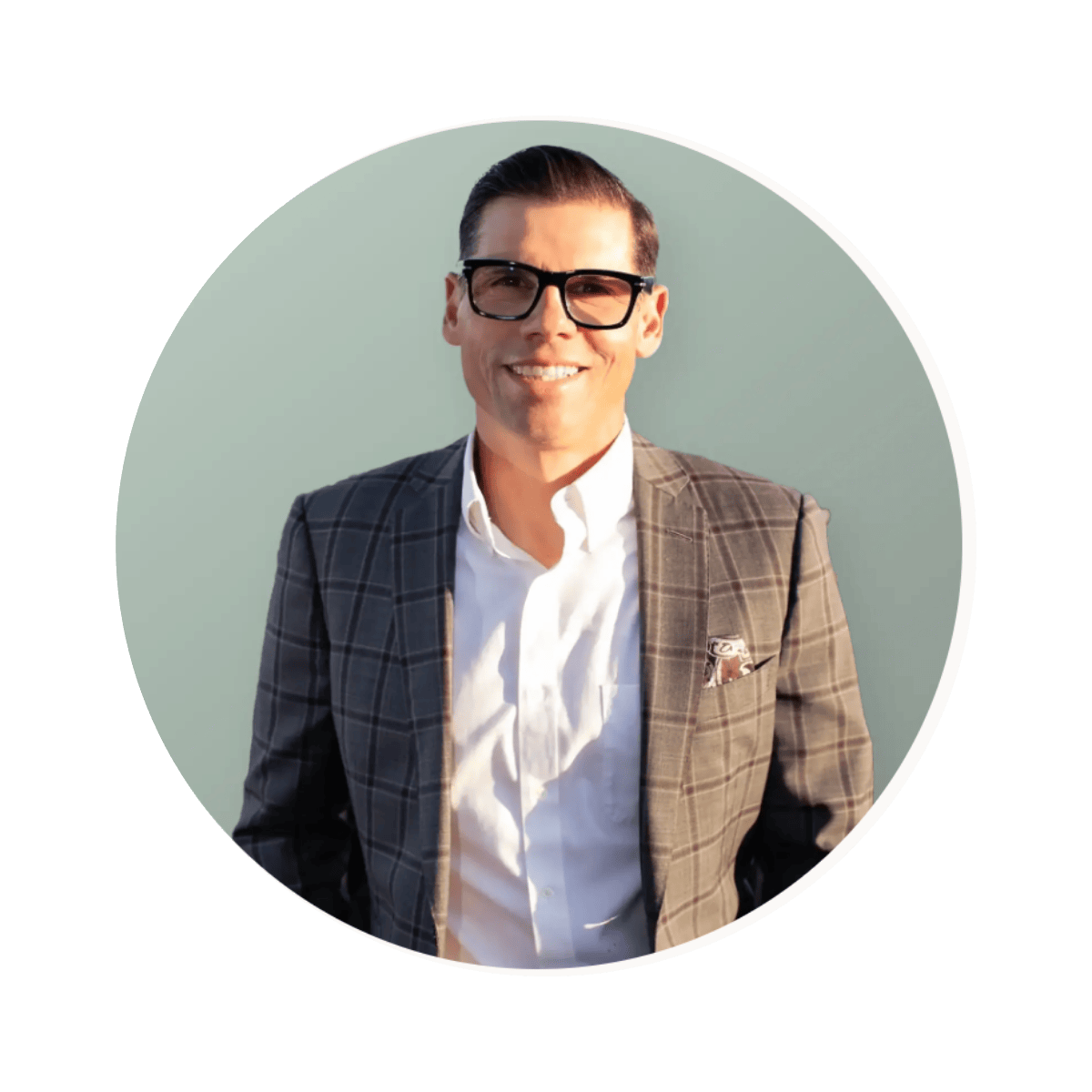
Marco Ramirez serves as the Program Director and Nurse at Nu Dai Wellness, bringing nearly two decades of diverse experience in the substance abuse and mental health fields. Marco has held every role from frontline support staff to Executive Director, providing him with a profound, 360-degree understanding of the recovery journey. His clinical approach integrates a strong medical foundation with a personal journey in recovery, allowing him to deliver ethical, evidence-based, and holistic care that honors the mind, body, and spirit. Under his leadership, Nu Dai Wellness provides a compassionate and clinical sanctuary designed to help individuals move beyond addiction and into a life of lasting hope.
Take the first step toward healing your home and restoring lasting stability today. If you are ready to explore the highest standard of addiction treatment in Orange County, our compassionate clinical team is here to guide you through every stage of the recovery journey. Contact the admissions team at Nu Dai Wellness for a completely confidential professional assessment.